
Uganda's northeastern corner is, above all, a pastoralist landscape. Its peoples have moved livestock across these plains for generations, following the rains in a seasonal rhythm that still shapes daily life around the reserve.
Bordering South Sudan to the north and Kenya to the east, Karamoja is one of the most geographically remote parts of East Africa, and historically one of the most politically and socially marginalised. For most of Uganda's post-independence history it was a region outsiders passed through quickly, if at all.
Decades of conflict, cattle raiding, and state neglect left it isolated, bypassed by development, excluded from national narratives of progress, and misunderstood by those who did not live there. It was a region defined, in the national imagination, by crisis rather than culture.
That framing does a disservice to one of the most culturally rich, ecologically significant, and resilient landscapes in East Africa.
The Karamojong
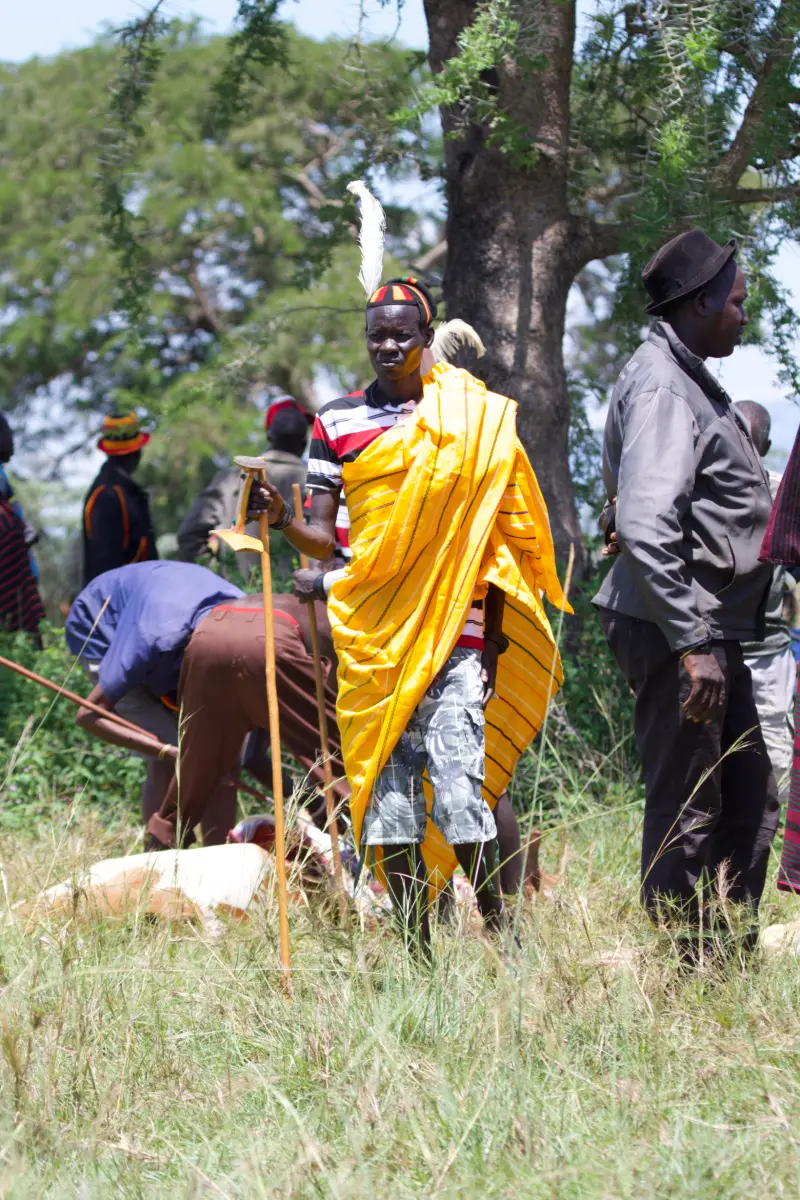
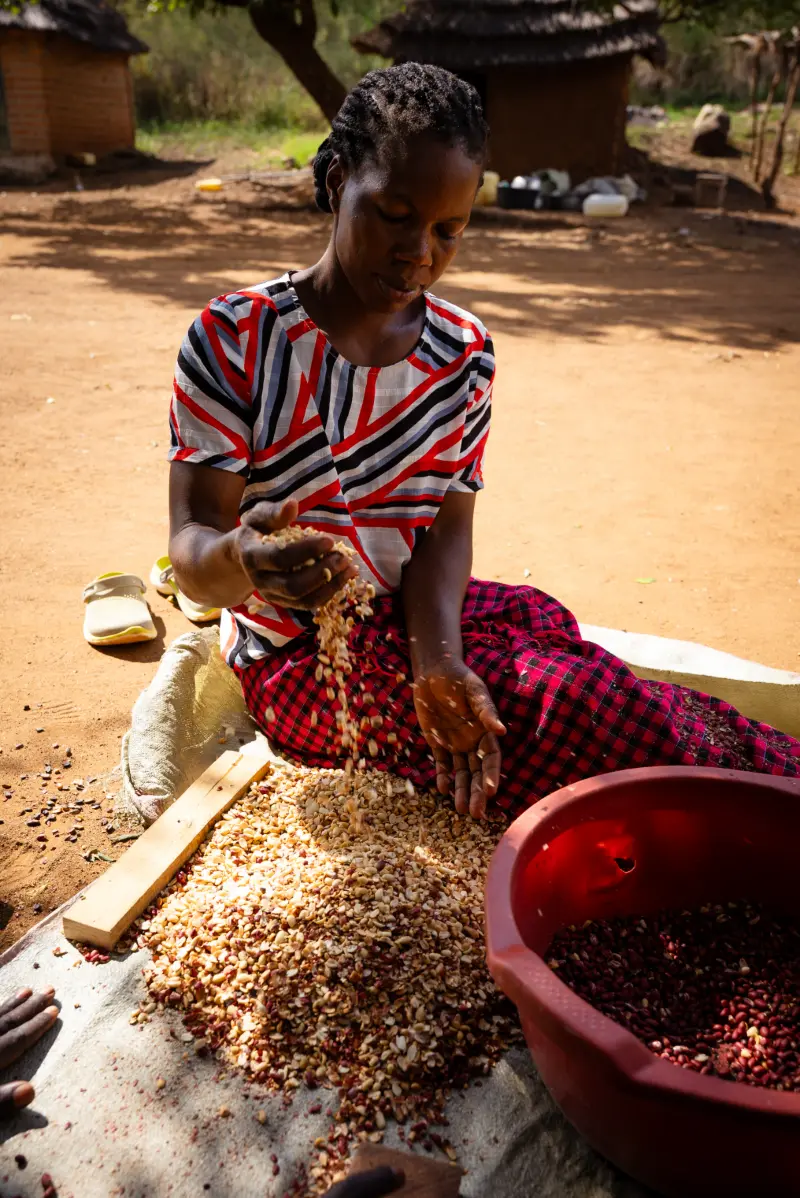
A Nilotic agro-pastoral people with a culture built around cattle, land, and collective survival. Livestock is not merely an economic asset here, it is identity, inheritance, status, and spiritual currency, a sophisticated relationship with a challenging environment that outsiders often misread.
The Karamojong include several distinct clans, among them the Pian, the Bokora, the Matheniko and the Tepeth, with the Gishu, Pokot and Sebei along the southern and eastern margins. These communities have lived alongside this land for generations, and their knowledge of its rhythms, wildlife, and water sources is deep.
Any conservation that does not make itself useful to the pastoral economy will not last. That is the lived experience of every project that has operated here without community legitimacy.

A region shaped by conflict
The breakdown of national governance coincides with the proliferation of automatic weapons from conflicts in neighbouring Sudan and Ethiopia. Cattle raiding, a traditional practice with deep cultural roots, turns violent. Communities arm themselves, and the state largely withdraws.
Armed groups move through the landscape and poaching increases dramatically. Elephant, buffalo, and many antelope species are hunted to near local extinction across much of the region. Pian Upe loses most of its large mammal populations.
A government-led disarmament process gradually reduces violence and re-opens possibilities for development and conservation. The legacy of marginalisation remains present in the region's demographics, infrastructure, and livelihoods.
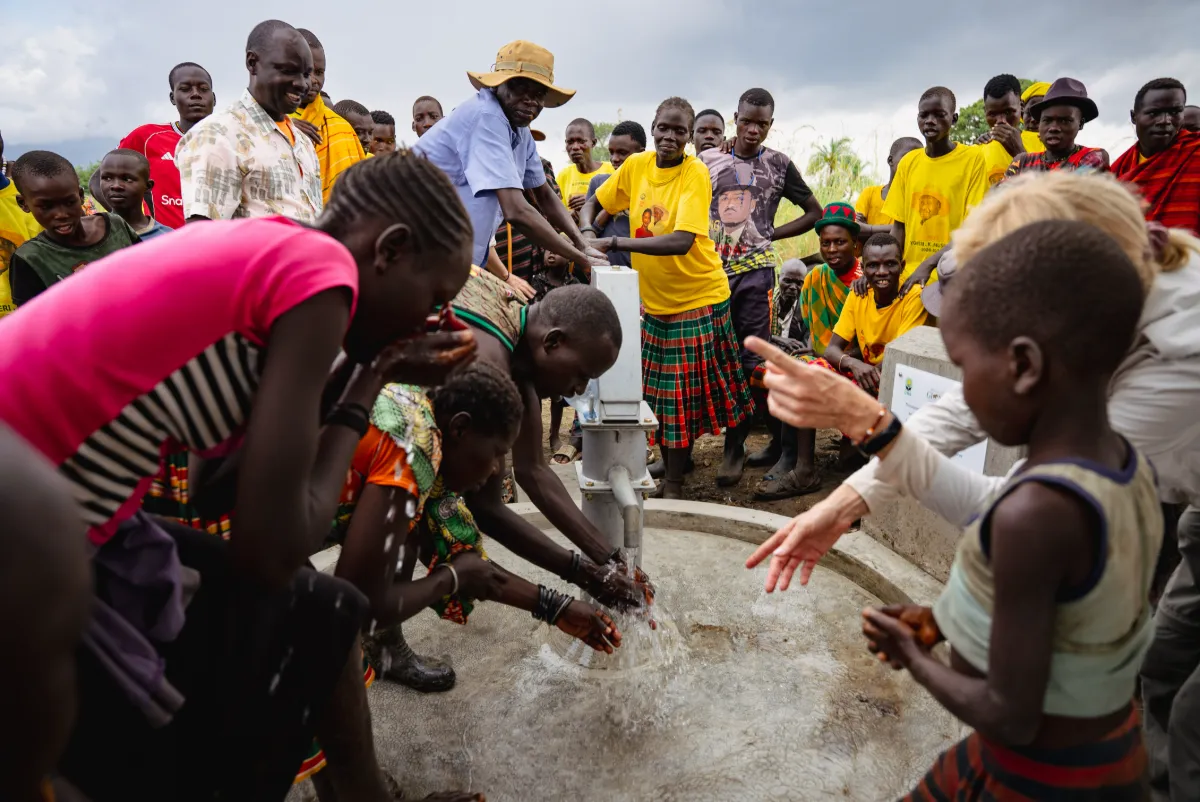
It is in this context that the Pian Upe co-management partnership is working, not despite the complexity, but because of it.


