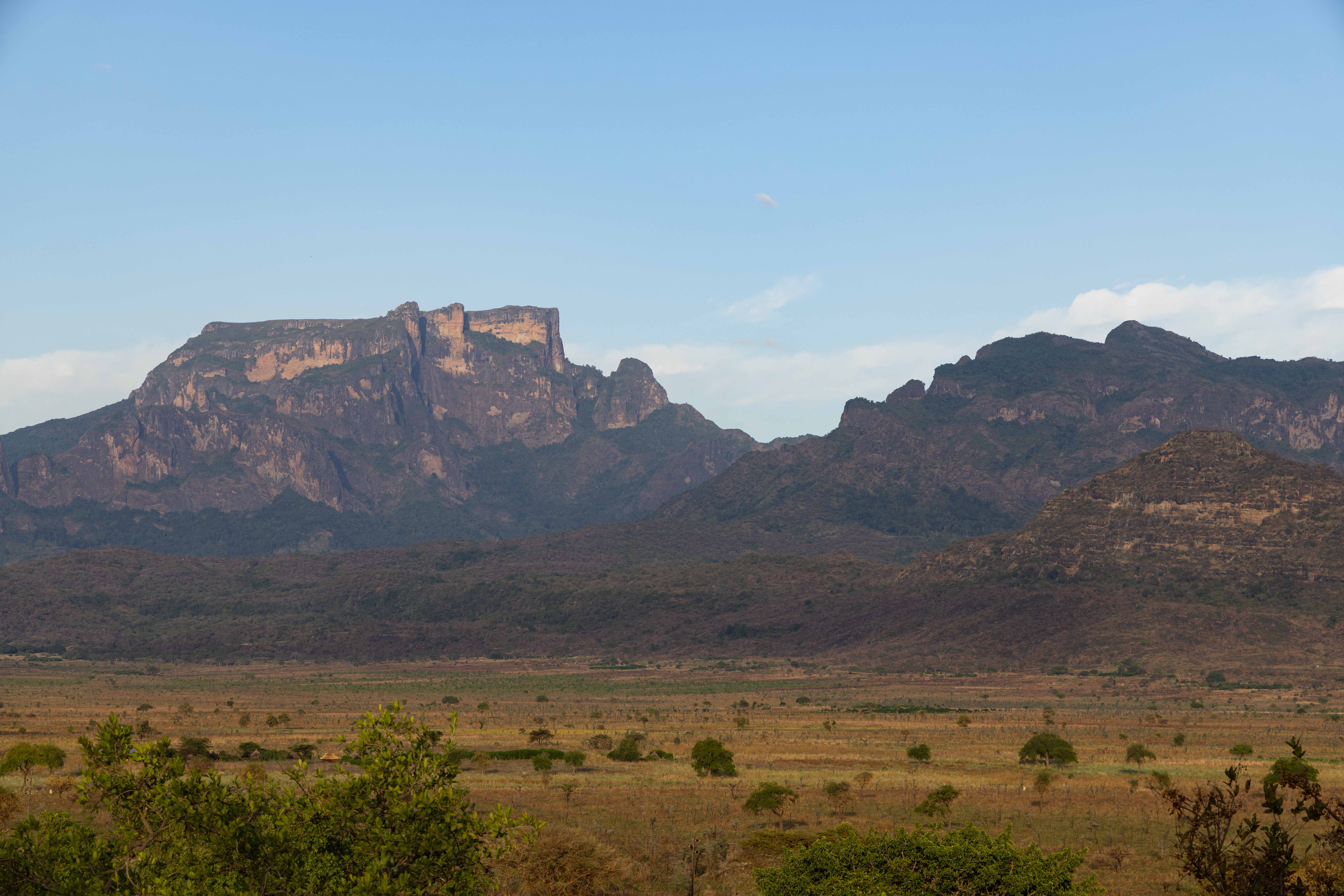
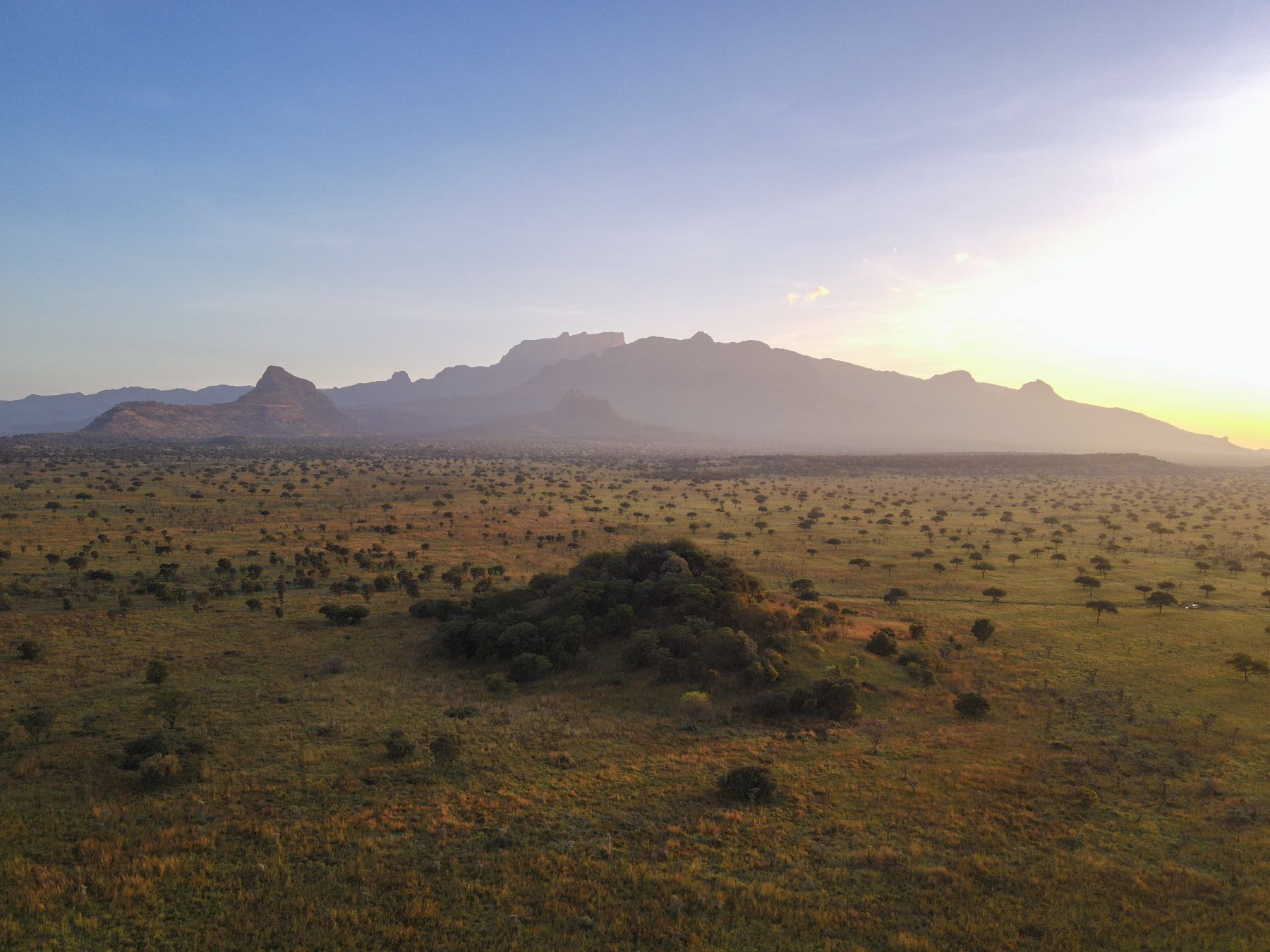
Mount Kadam over the open plains of Pian Upe
About/About Pian Upe

A national asset.
A continental opportunity.

Introduction

Uganda's largest wildlife reserve, 200,000 hectares of semi-arid savannah, expansive grassland, and river woodland, and one of the most productive semi-arid ecosystems in East Africa.

Pian Upe is home to species found nowhere else in the country. It is also one of the most under-resourced and historically overlooked protected areas in Uganda. For decades, the reserve operated as what conservationists call a "paper park", gazetted but under-funded, present on the map but largely absent in management. Wildlife declined. Habitats degraded. The reserve became invisible to most of Uganda and the world.

That has changed. Since 2022, Pian Upe has been managed under Uganda's first formal co-management partnership, a structured, nationally endorsed agreement that brings together the Uganda Wildlife Authority, Space for Giants, and Karimojong Overland Safaris to restore this reserve, rebuild its wildlife, and demonstrate what long-term, well-resourced co-management can achieve in one of Uganda's most challenging conservation landscapes.

From paper park to proof of concept.

What changed in 2022, and why it matters far beyond Uganda.

The Place

What Pian Upe is

Pian Upe sits in southern Karamoja, bordered by nine districts. It is framed by the afromontane forests of Mount Kadam, rising over 3,000 metres to the east, and Mount Napak, over 2,500 metres to the north, and lies adjacent to Mount Elgon National Park to the south. The Amudat Community Wildlife Area separates the reserve from the Kenyan border further east.

The landscape is one of open rolling savannah, scattered with acacia and combretum woodland, crossed by seasonal rivers, and punctuated by rocky outcrops and inselbergs. Lake Opeta and its wetlands lie to the west, critical water and habitat for wildlife and communities alike, while the Girik River traces the southern boundary and the Amaler, flowing off Mount Kadam into Lake Opeta, is the only permanent water source in and around the reserve.
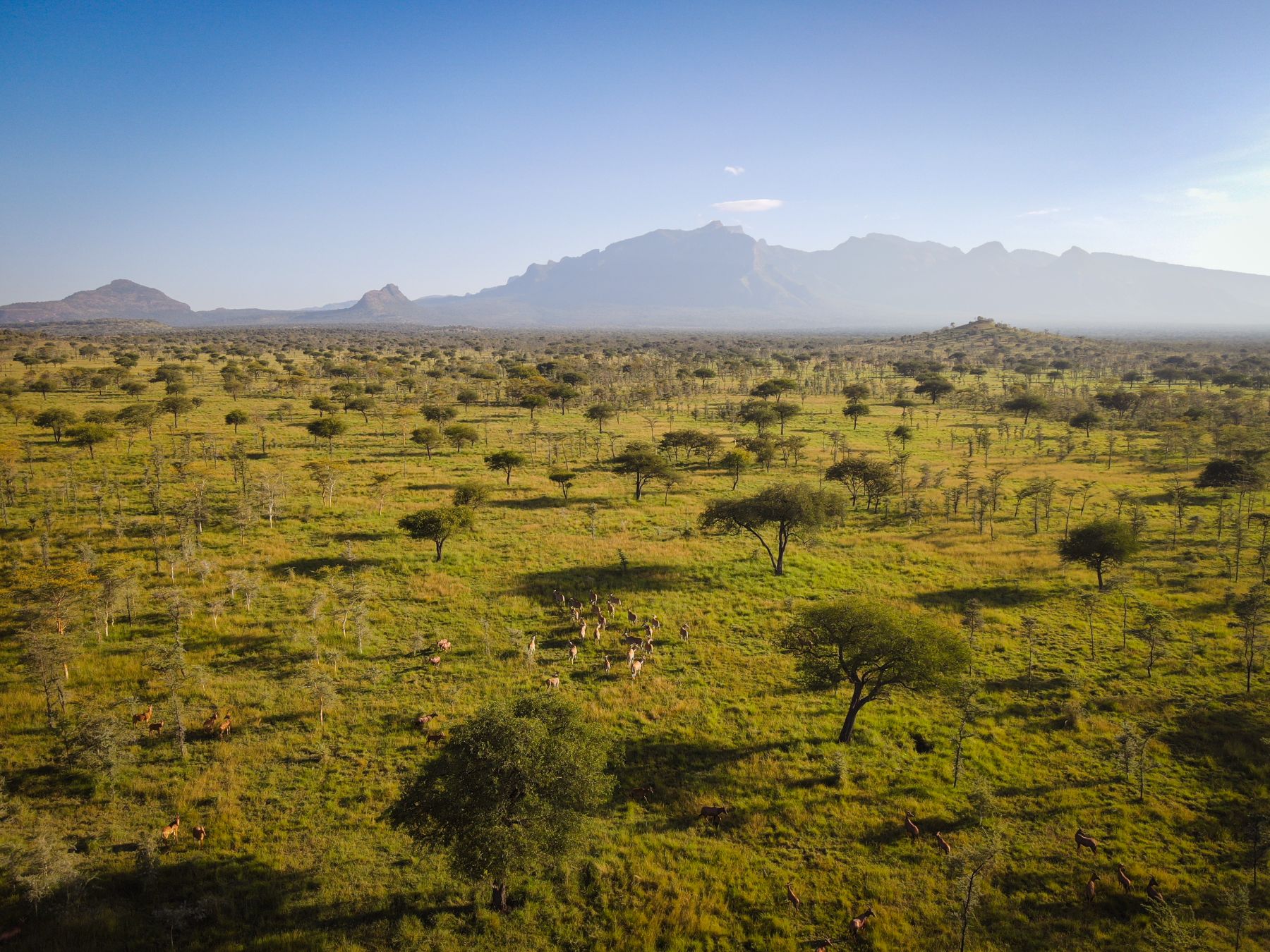
Aerial view across the Pian Upe savannah
The open plains, from above
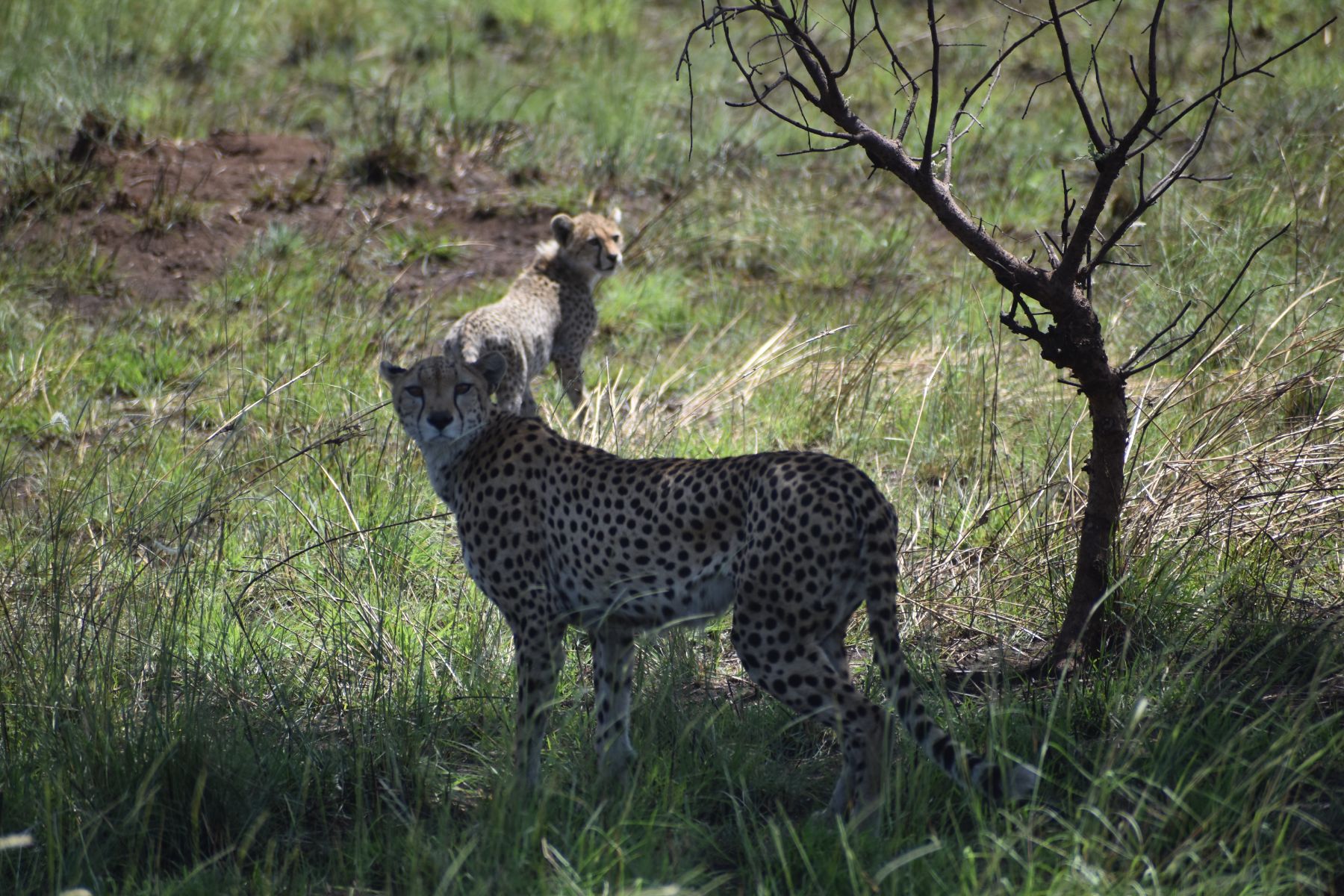
Cheetah on the open plains
Cheetah on the plains
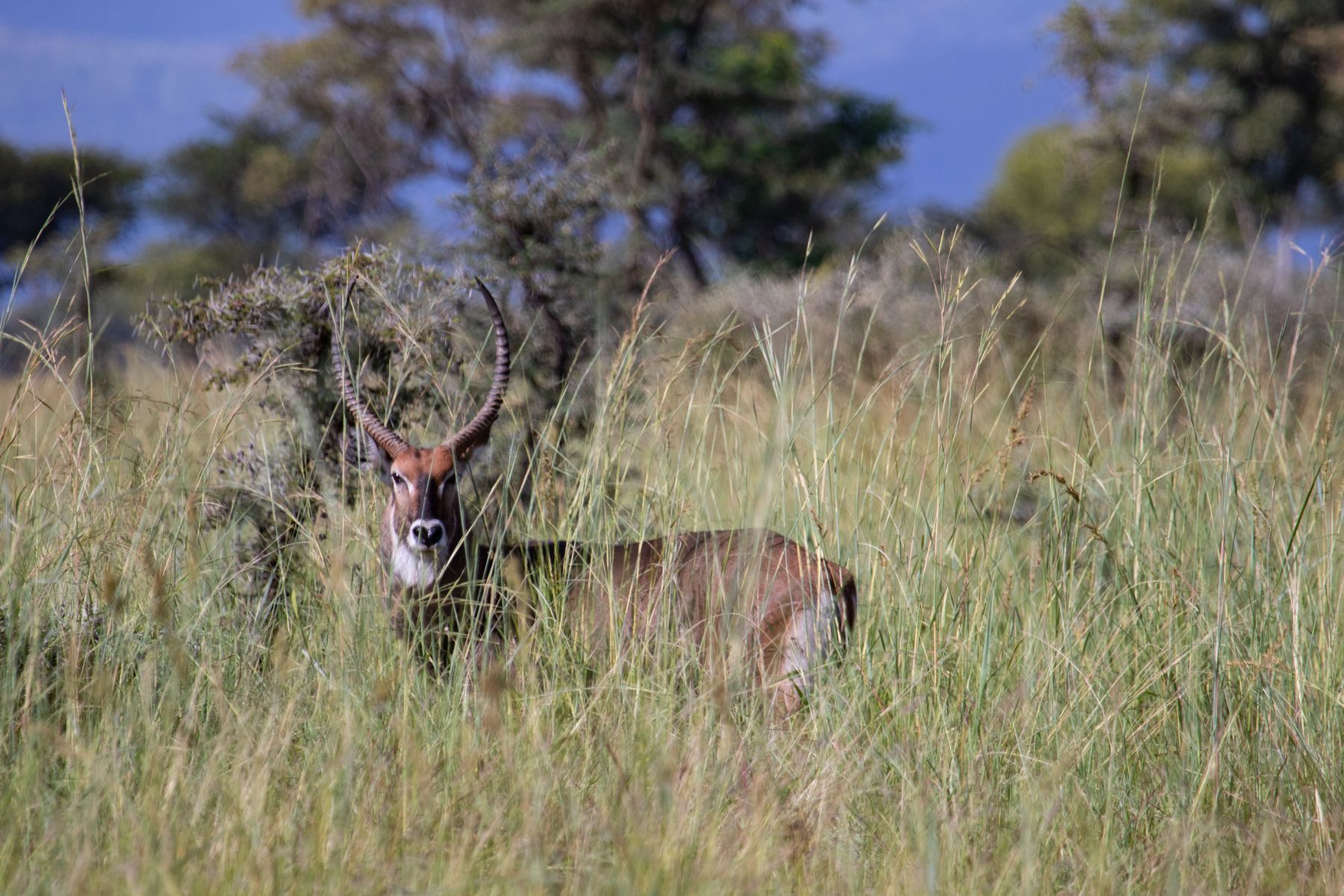
Waterbuck in tall grass
Grasslands that reward patience
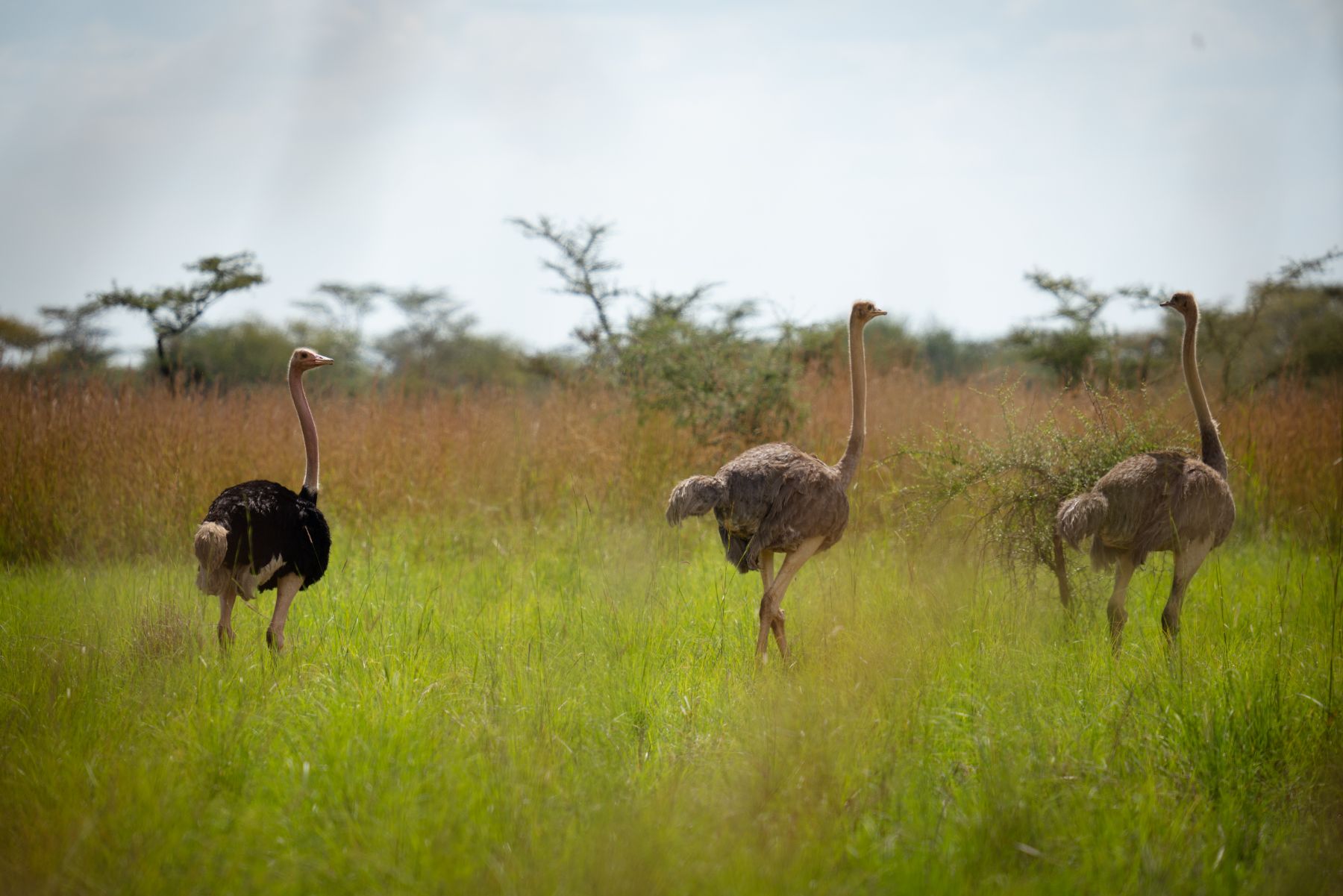
Ostrich on the drier margins
Ostrich, drier margins
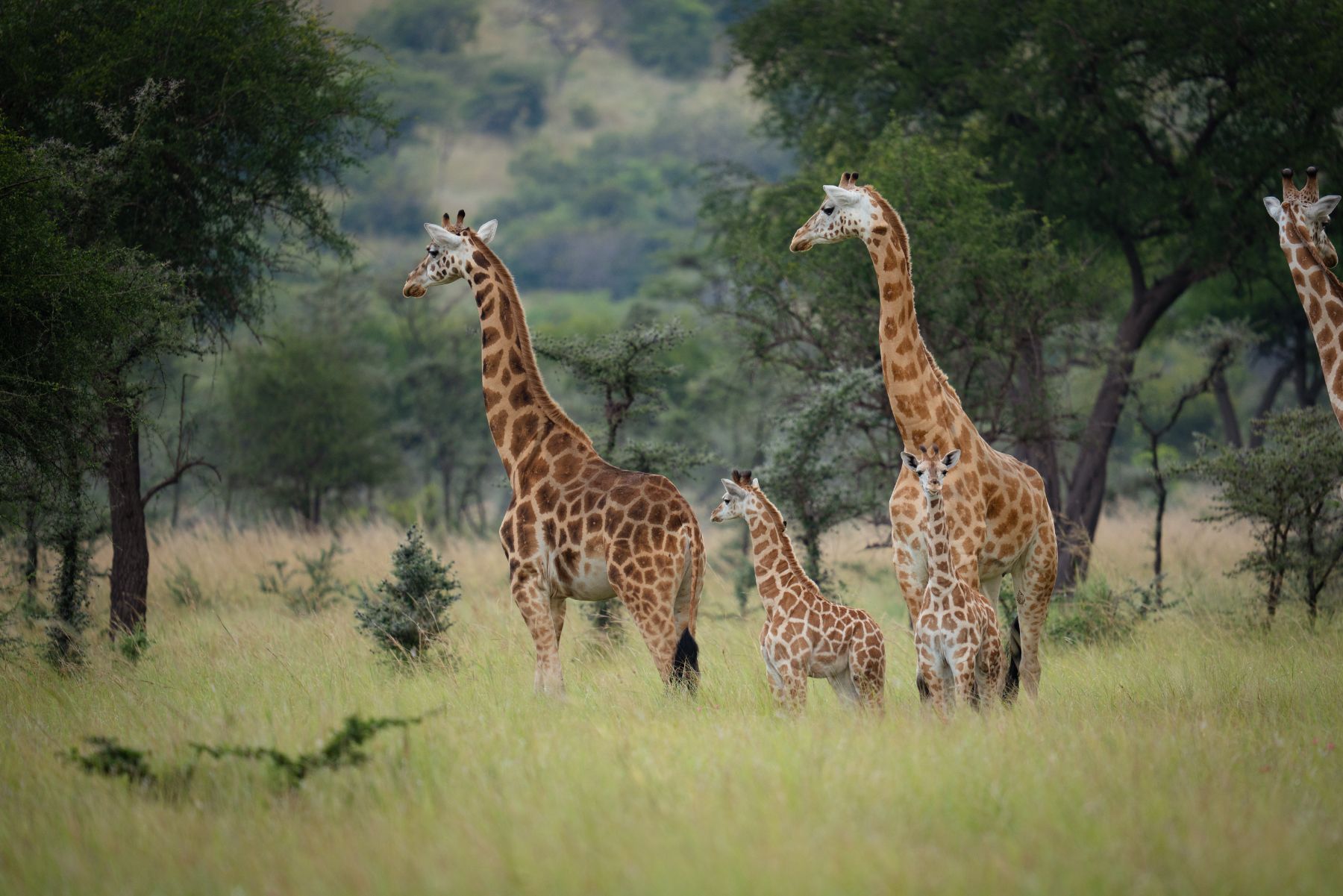
Nubian giraffe
Giraffe, individually known

It is a landscape that rewards patience, and a growing database of individually identified Nubian giraffe is building our understanding of how this population is recovering.
The Model 01

In August 2022, Uganda's first formal conservation co-management agreement was signed for Pian Upe, a landmark for the reserve, and for Uganda's approach to protected areas.

The agreement recognises that effective conservation of a reserve this size, in a context this complex, requires a partnership that brings together government authority, technical expertise, and on-the-ground operational capacity.

Under the agreement 02
Uganda Wildlife Authority retains full national sovereignty, policy oversight and law enforcement
Space for Giants leads on technical management, ecological restoration and sustainable finance development
Karimojong Overland Safaris contributes operational support and holds the hunting concession signed in 2008
Nine district governments participate as governance stakeholders and revenue beneficiaries
The Pian Upe Community Wildlife Association represents the interests of local community stakeholders
The record 03
SIGNED:AUGUST 2022 · SOROTI
MANAGEMENT PLAN:2026–2035
EVIDENCE BASE:ECOLOGICAL · SOCIAL · FINANCIAL

What Pian Upe is becoming.

A model for co-managed conservation

Demonstrating how government and partners can deliver protected-area outcomes together.

A credible nature-based economy

Generating carbon finance and responsible tourism to contribute to long-term reserve funding.

A community-linked landscape

Where local people experience real, measurable benefit tied to the reserve's success.

A proof of concept for restoration

Evidence for large-scale rangeland recovery that can be replicated across Uganda and the continent.

Pian Upe is not a short-term conservation project. It is a generational commitment.

Go deeper.

Karamoja: the region

To understand Pian Upe, you must first understand Karamoja.

Read: Karamoja →
History of the reserve

From sanctuary to silence, and back again, 1960 to today.

Read: History →
Our partners

No single partner could achieve what this collaboration makes possible.

Read: Our partners →