Our Work/Empower Communities

Empower
communities

Conservation lasts only if it creates genuine value for the people who live alongside the reserve.

Priority 04 of 04
The Integrated
Restoration Model
01Rebuild Ecosystems 02Protect Wildlife 03Sustainable Finance 04Empower Communities ← All four priorities
What we are doing

Conservation in Karamoja will only last if it creates genuine value for the people who live alongside the reserve. Benefit must be felt, not promised.

The co-management partnership is committed to building benefit pathways that link conservation success directly to community well-being: through employment, skills, livelihoods, and improved coexistence with the wildlife at the boundary.

The people around Pian Upe are not obstacles to conservation. They are its most essential partners.

On the ground, in numbers

the benefit pathways, 2022 to 2025
Educationfig. 01
32
schools engaged in conservation education
1,005 students 118 teachers
fig. 01 · one figure represents 100 students reached
Coexistencefig. 02
122

households supported against crop and livestock loss

Waterfig. 03
6

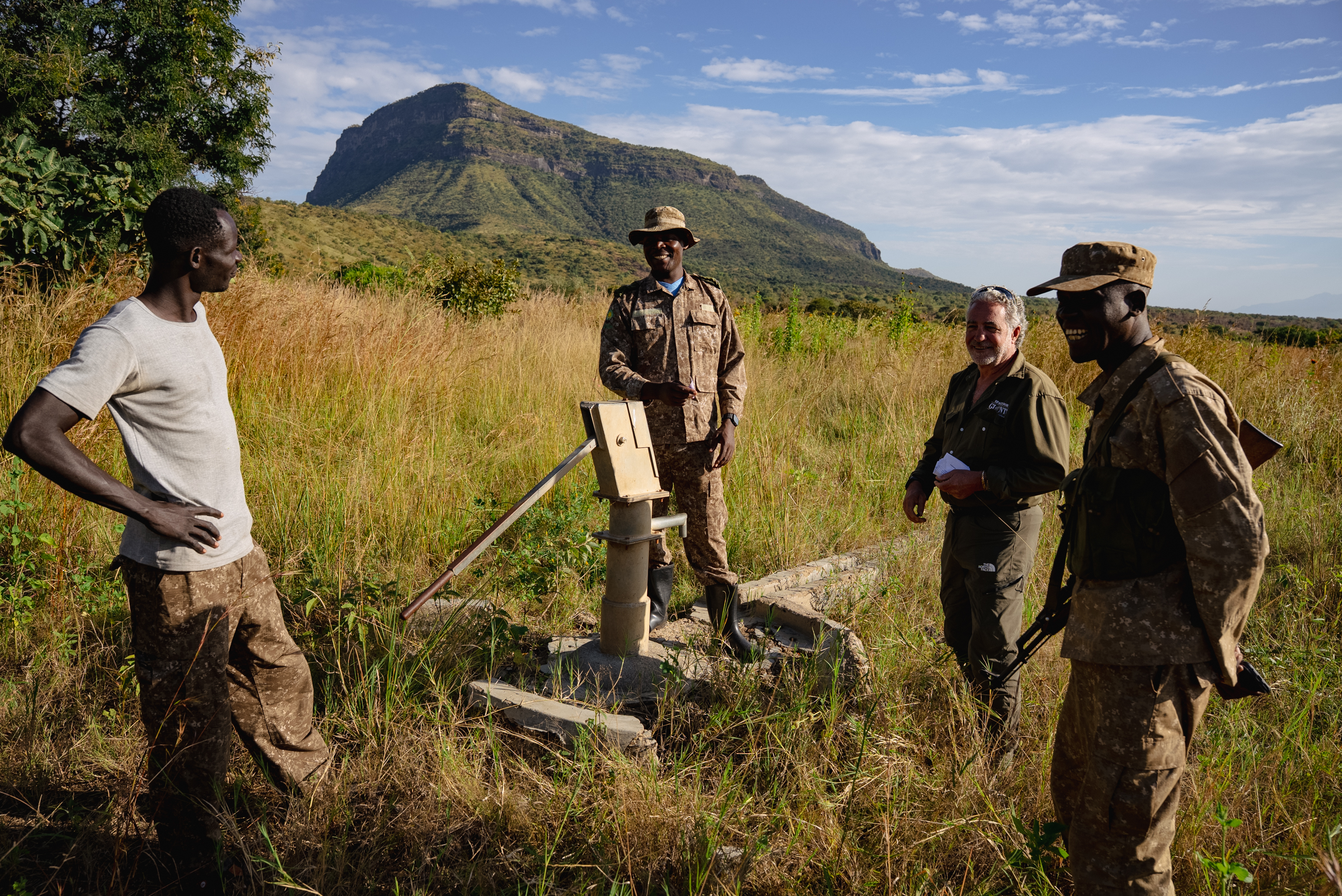
boreholes built at reserve boundary communities

Nearly nine in ten households here rely on a borehole for clean water.

Healthfig. 04
2026

mobile health clinic launches with local government

Livelihoodsfig. 05
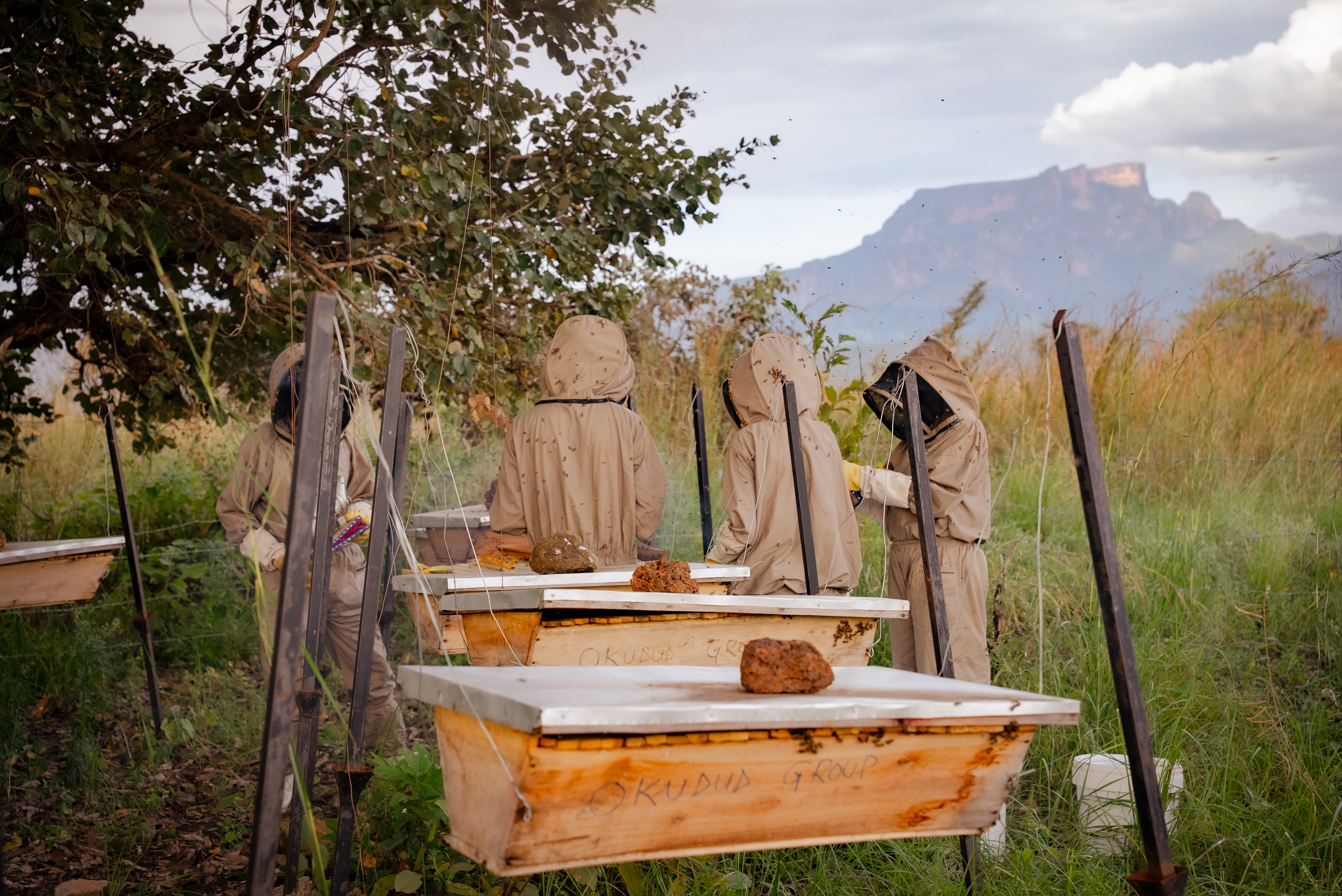
Beekeeping & enterprise

turning conservation into household income

Employmentfig. 06
24

community scouts employed from neighbouring villages, a programme begun in 2026

Alongside local jobs across the ranger corps, camp operations, and monitoring teams.

Grazingfig. 07
Managed grazing pathways

structured, monitored, beneficial access to reserve grasslands for pastoral communities, pilot framework ready for 2026

the cow stays at the centre of Karamojong life

The prooffig. 08
All of it measured by SAPA
See the numbers ↓
Progress so far
School engagement programme running across 32 surrounding schools, with 1,300 children hosted on reserve visits and game drives
Boreholes constructed at boundary villages, improving water access for 345 households
Human–wildlife conflict mitigation protecting crops and livestock at the boundary see Threats to the Landscape for the scale of the problem
Managed grazing pilot framework agreed and ready for implementation (2026) shared with Rebuild Ecosystems
First SAPA (Social Assessment for Protected Areas) baseline assessment conducted for Pian Upe
Community Well-being
~40%
say their well-being has improved over the last three years
Positive impact today31%
2030 · 50%
How the 2025 baseline splits
31% positive 31% negative 38% neutral

Measured by the Social Assessment for Protected Areas (SAPA), a baseline survey of communities surrounding the reserve, first run in 2025.

How we measure · SAPA

Well-being is the metric.

Reported as honestly as the wildlife counts.

2025 baseline
31% positive
31% negative
38% neutral

The opportunity: 69% of neighbours still to win over, one visible benefit at a time.

~40%note improved well-being over 3 yearsThe opportunity: momentum this early means the pathways are working.
50%+the 2030 target for positive impactThe opportunity: cross it, and the co-management case is made for a generation.
Alongside the reserve

The people this is for

Communities in the districts surrounding Pian Upe, where conservation has to earn its place.
Beekeeping enterprise beneath Mount Kadam
Beekeeping enterprise
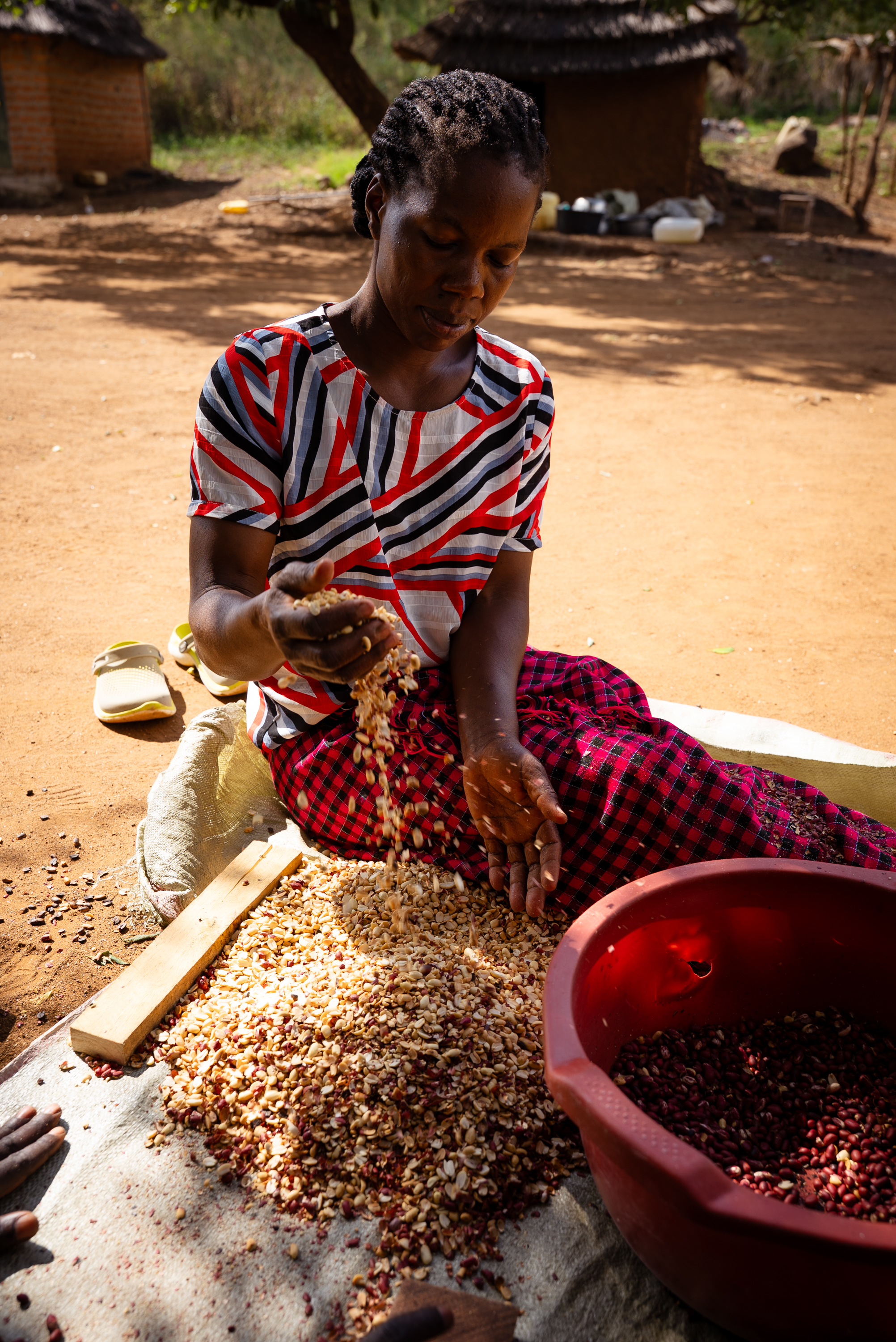
Groundnut processing, a growing village enterprise
Groundnut processing
New boreholes bring water to reserve-edge villages
New boreholes
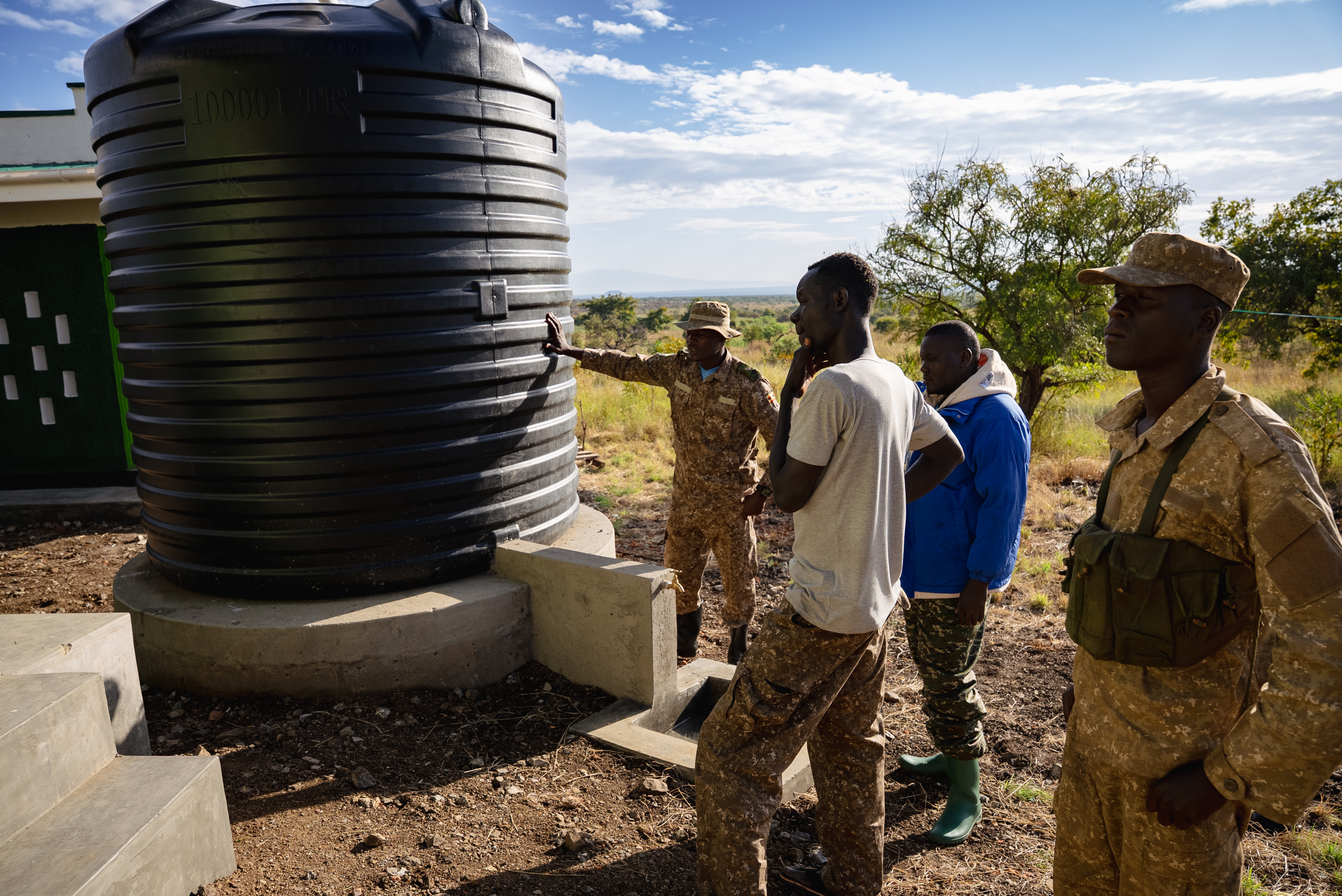
Rainwater storage at new community facilities
Rainwater storage
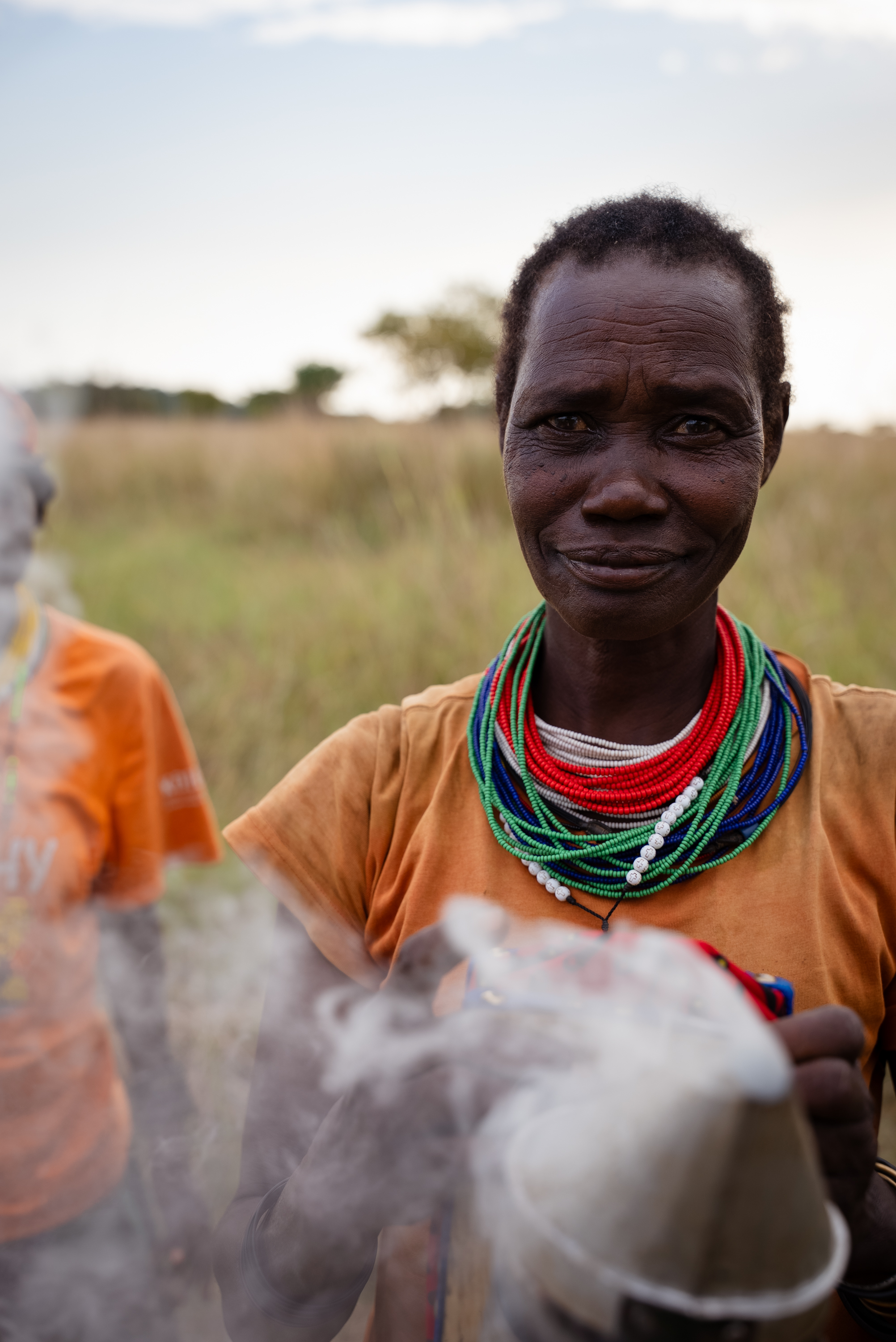
The people conservation must serve
The people served
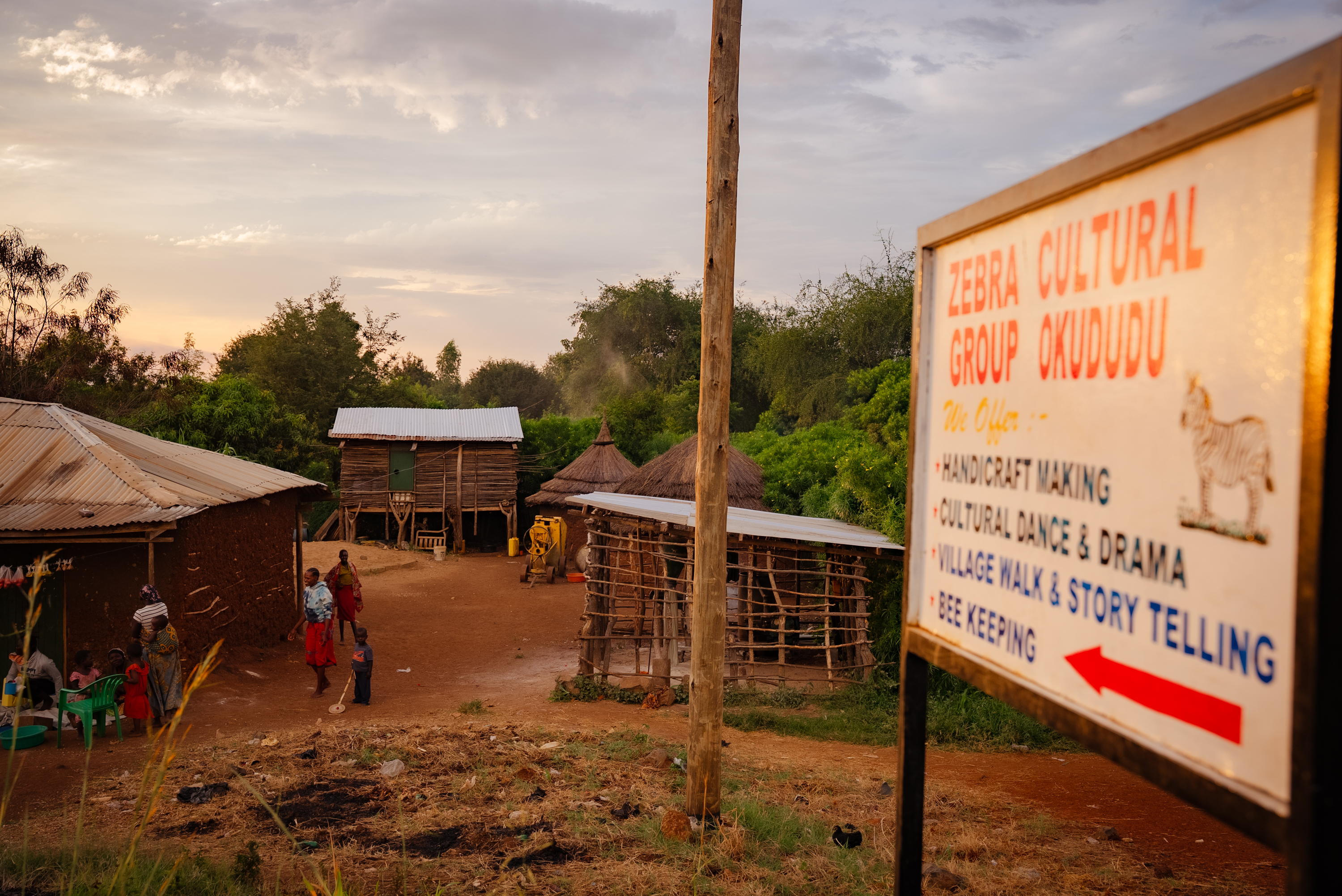
Community tourism: the Zebra Cultural Group
Zebra Cultural Group
Previous · Priority 03Create Sustainable Finance Back toOur Work