Our Work/Rebuild Ecosystems

Rebuild
ecosystems

Repairing the systems that sustain wildlife, store carbon, regulate water, and provide livelihoods.

Priority 01 of 04
The Integrated
Restoration Model
01Rebuild Ecosystems 02Protect Wildlife 03Sustainable Finance 04Empower Communities ← All four priorities
What we are doing

Restoring Pian Upe's ecological integrity means repairing the grasslands, woodlands, and wetlands that define this landscape, rebuilding the balance the system has lost.

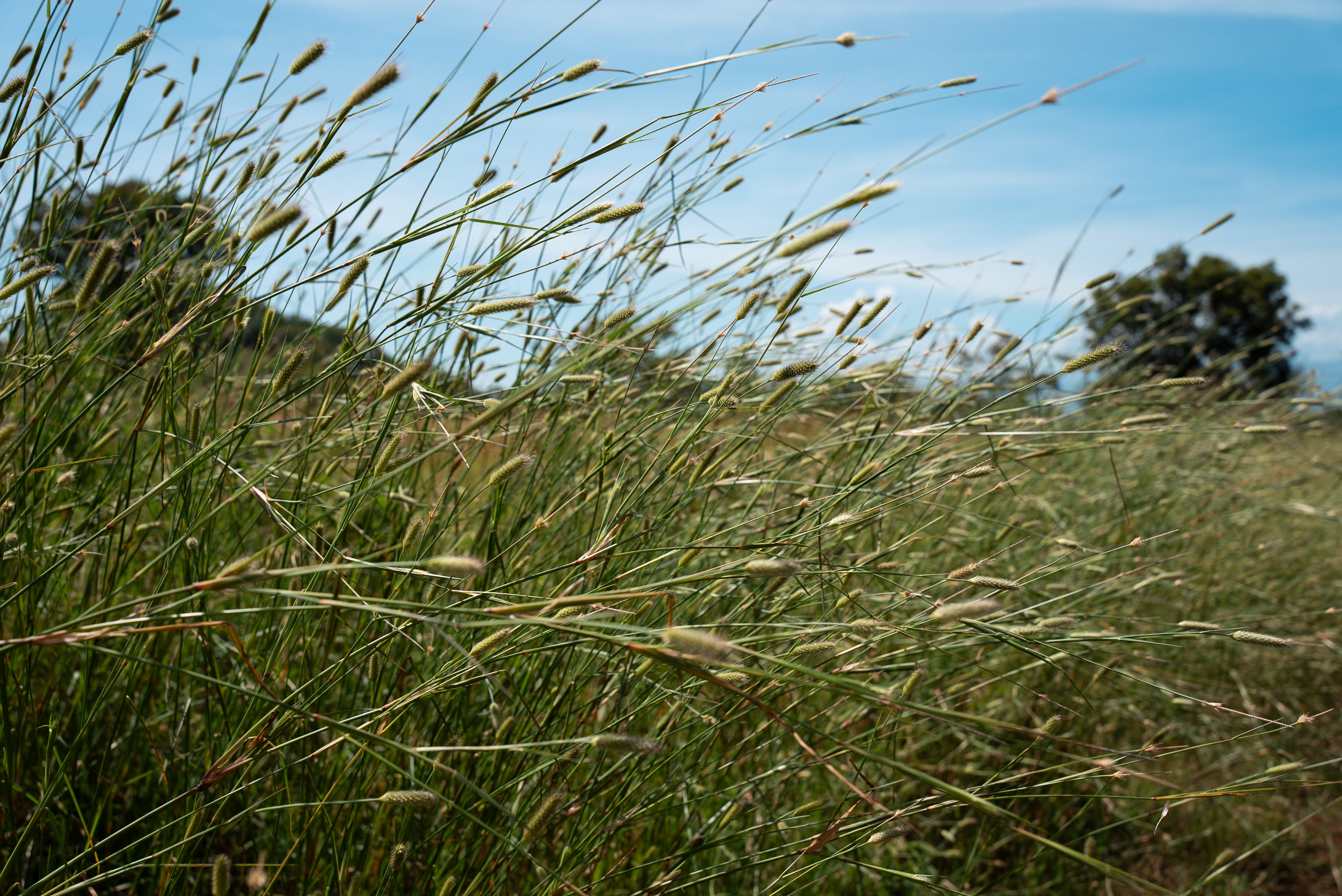
The challenge is specific: years of altered fire regimes and unmanaged grazing have shifted grassland composition in parts of the reserve toward grass species that are fire-resistant but not palatable to wildlife. Vegetation grows tall and abundant, but without sufficient herbivores to cycle it back into the ecosystem, the system remains ecologically imbalanced. Restoration means rebuilding that balance over time through evidence-led management.

Tall grass is not the same as healthy grass.

The imbalance, and the plan to correct it, in one page.
What this looks like on the ground
01 Rangeland assessments to map vegetation condition, identify priority restoration zones, and set measurable baselines
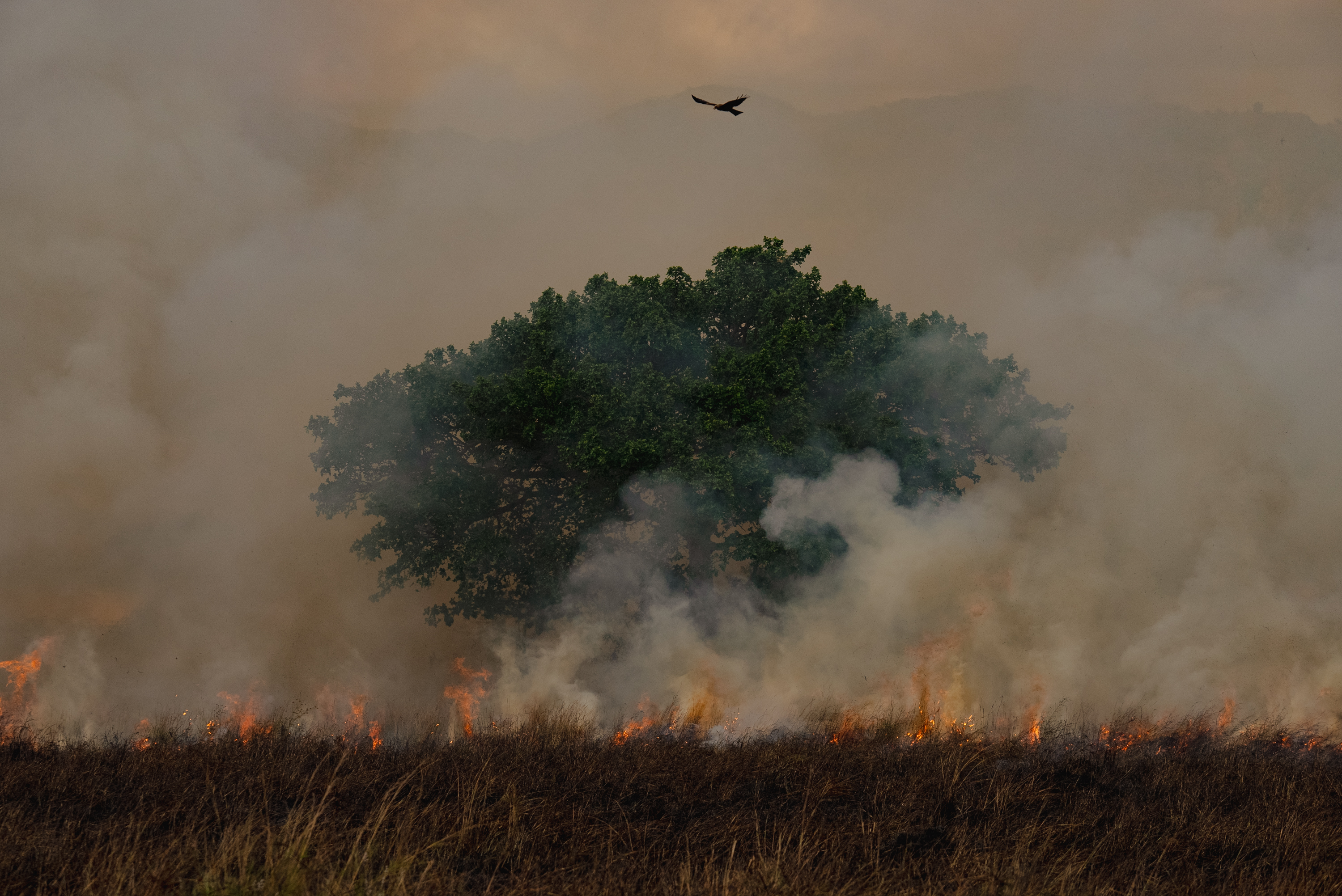
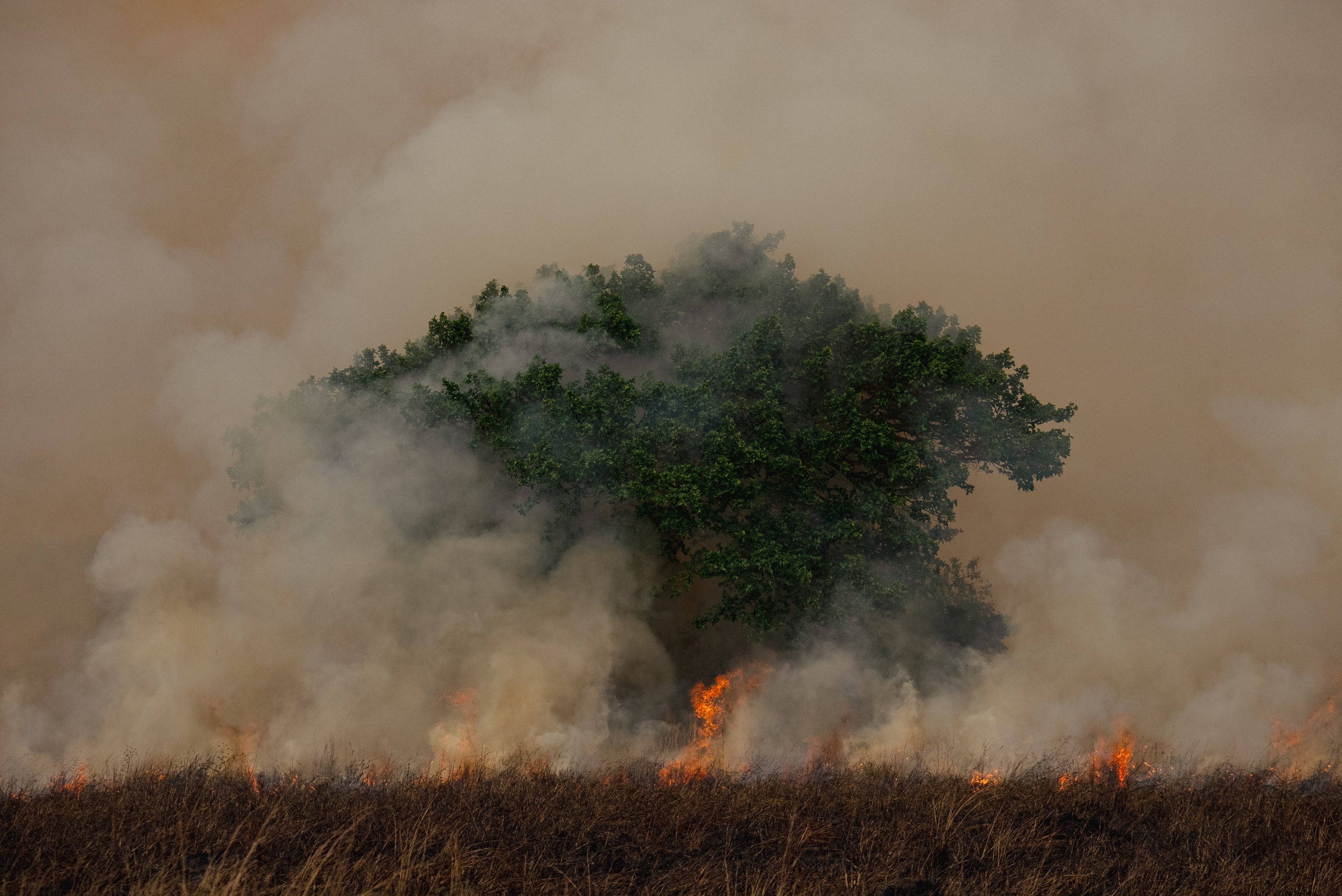
02 Fire management, including controlled early-burning agreed with neighbouring communities, to improve grassland composition and prevent destructive wildfires
03 Habitat recovery aligned to the 2026–2035 General Management Plan
04 Exploration of managed livestock grazing pathways as an ecological restoration tool, where legally permissible and practically aligned
05 Every second year, aerial wildlife surveys and ecological monitoring to track habitat function over time
Progress so far
Rangeland assessments and vegetation monitoring underway
Managed grazing pilot framework agreed and ready for implementation (2026) shared with Empower Communities: grazing is both a restoration tool and a community benefit
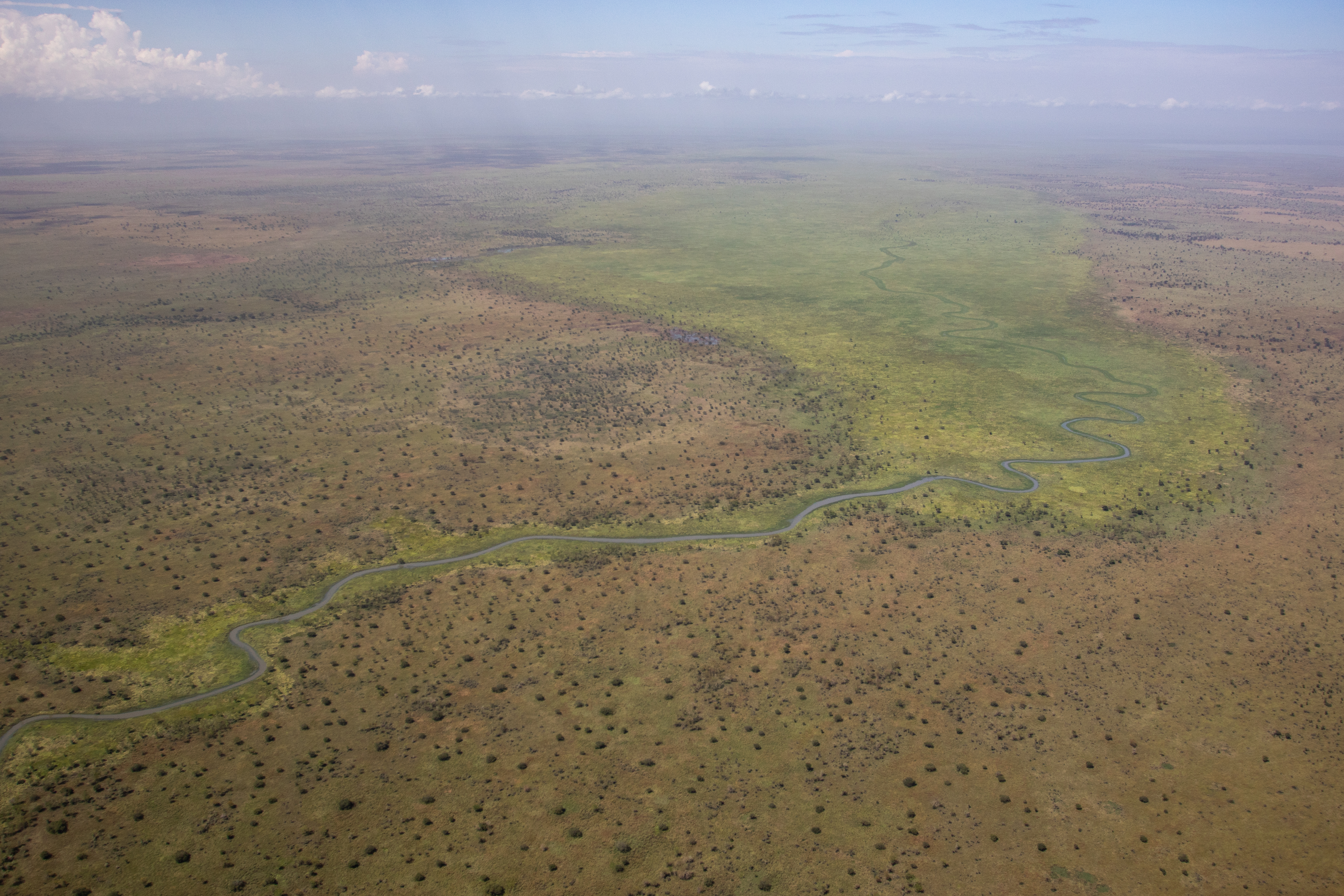
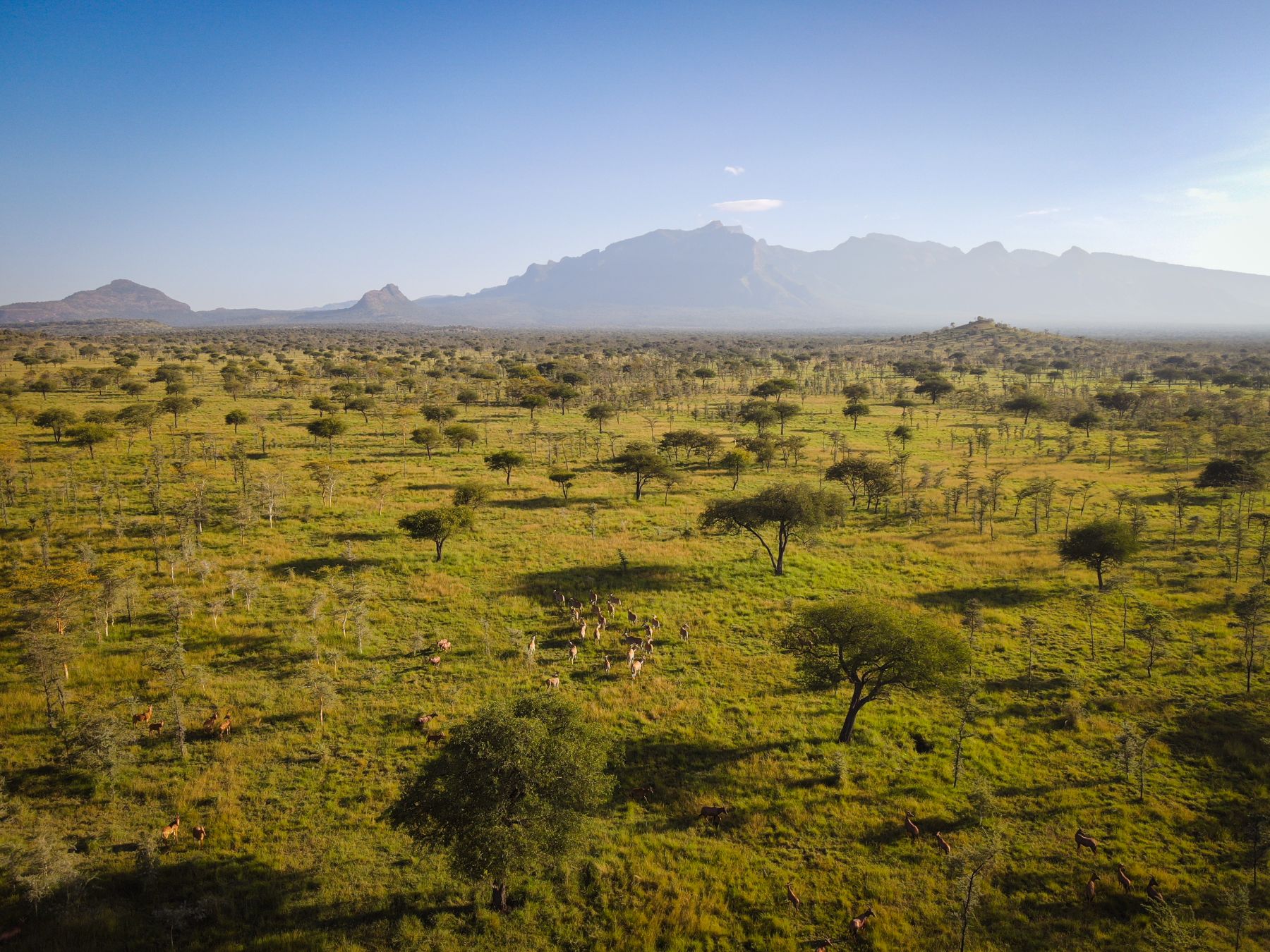
The rangeland system from above
The grassland system, surveyed annually
Ecological Recovery
+4%
wildlife growth, 2023 → 2025
2023 baseline100
2025 census104

Populations tracked through annual aerial surveys, camera traps, ranger monitoring, and individual identification databases for key species.
Why it matters

Restored rangelands don't just support wildlife:

They store carbon

Recovering rangelands hold carbon in soil and woodland, the base of the reserve's carbon pathway.

They regulate water

Healthy grassland and wetland systems hold and release the water this dry region depends on.

They sustain grazing

Palatable, productive grass supports wildlife and communities alike.

Ecological restoration and human well-being are not separate goals at Pian Upe. They are the same goal.

Support this priority See the impact
On the range

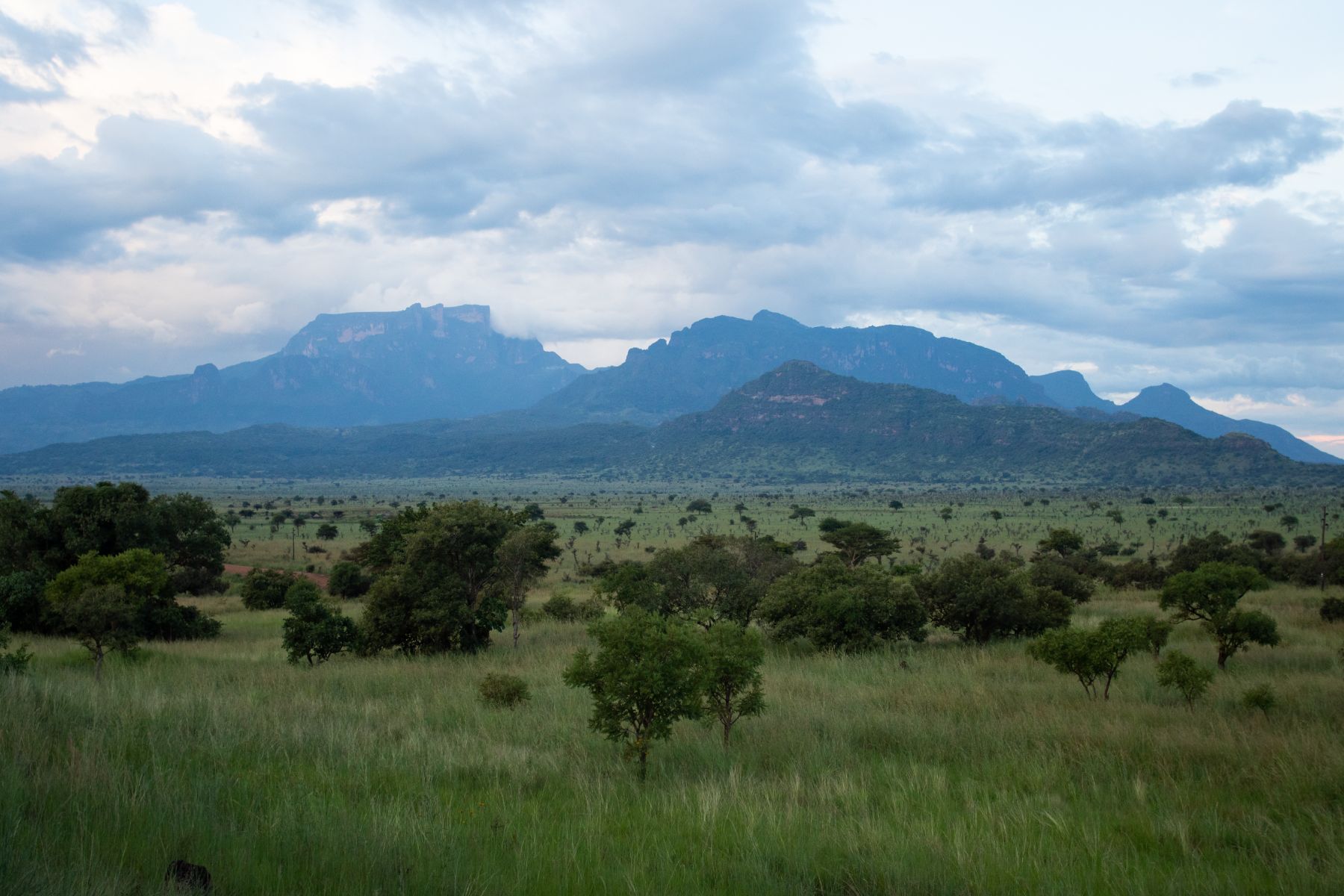
The landscape under restoration

Grassland, woodland and wetland across the reserve, and the fire management that shapes them.
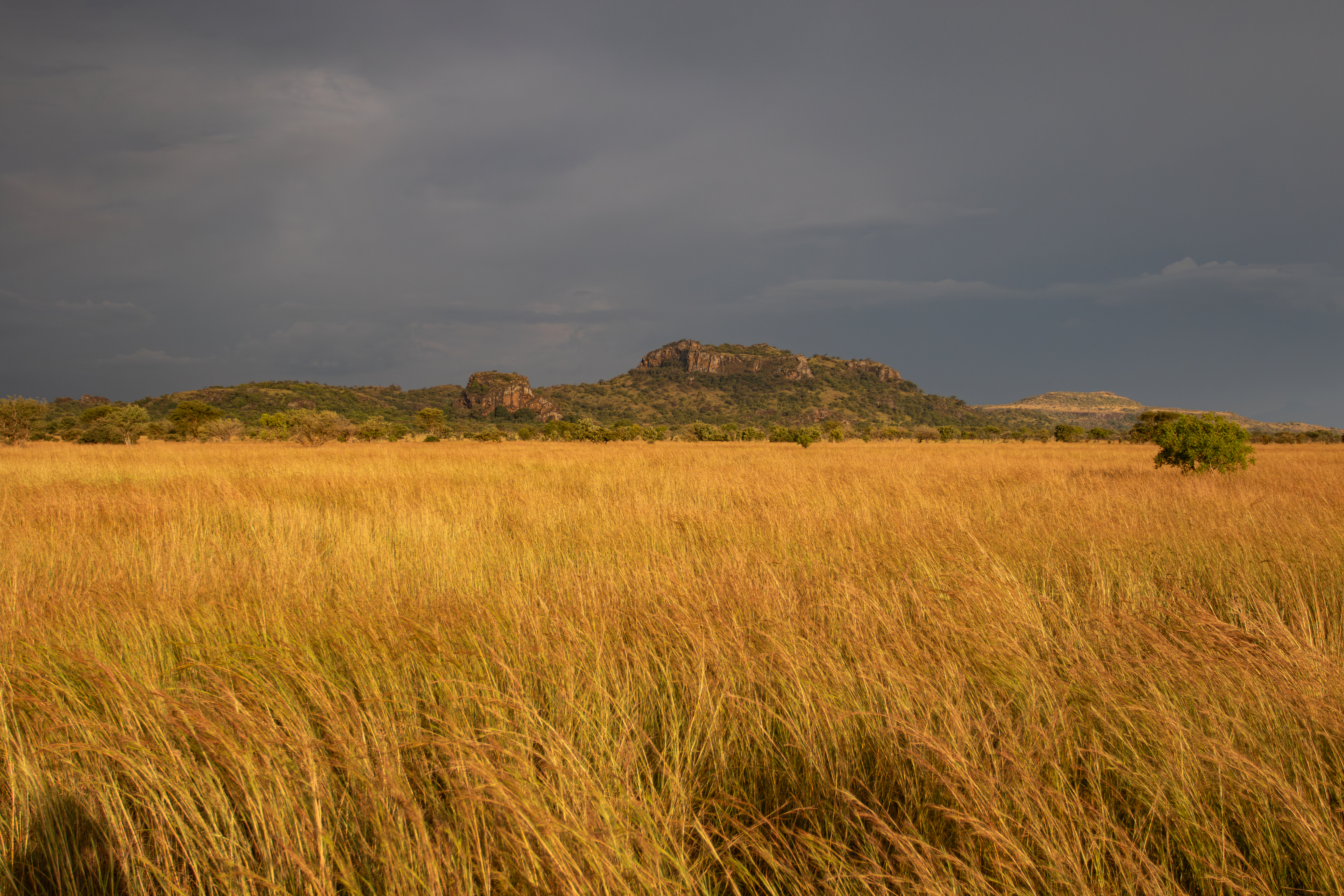
Golden grassland beneath a stormy sky
The open plains
A lone tree engulfed by a grass fire, a kite circling above
Fire on the range
A river winding through the Pian Upe wetlands, from the air
Wetland corridor
Flames at the base of a tree shrouded in smoke
Early burning
Grass seed heads against a blue sky
Grass composition
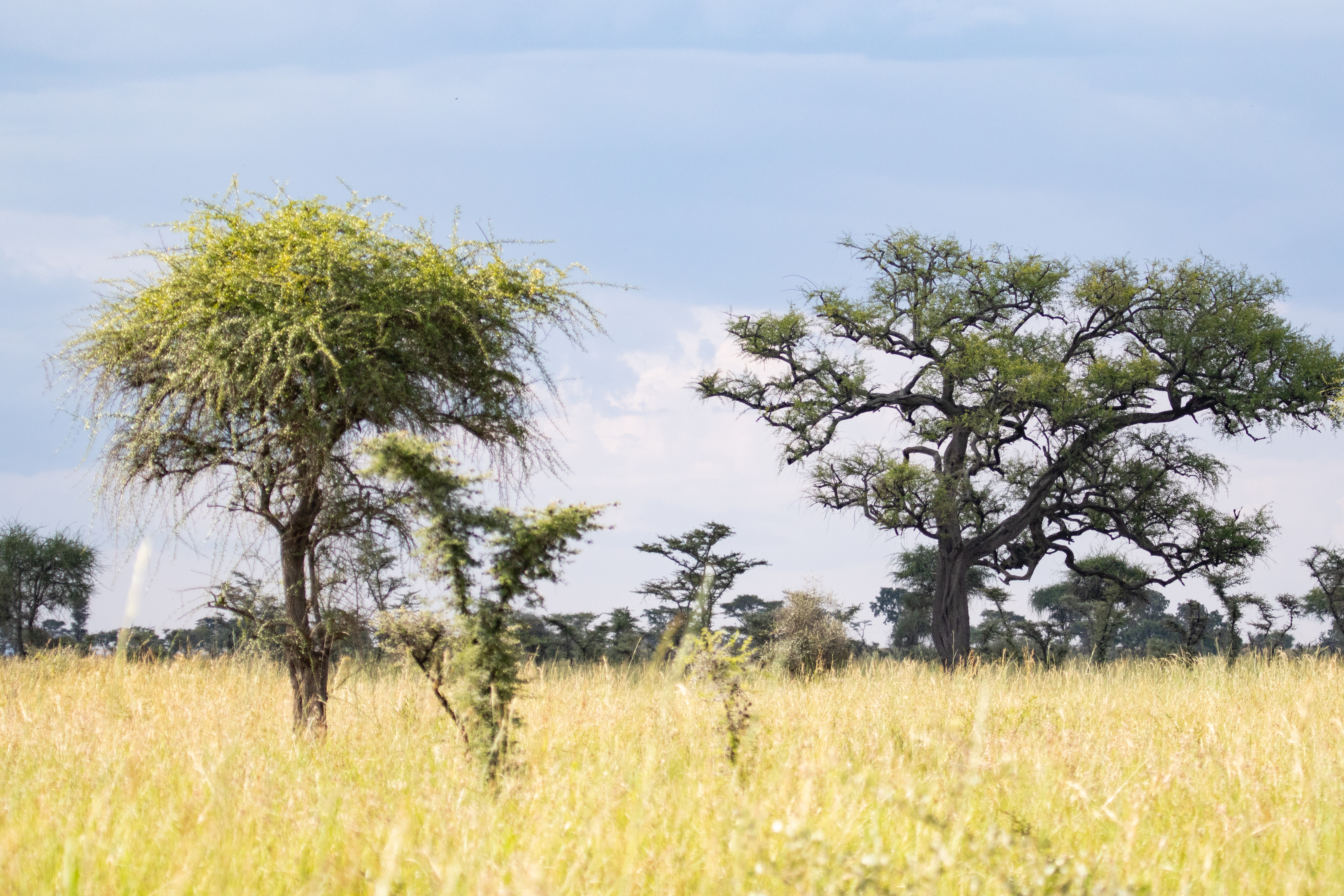
Acacia trees standing in pale grassland
Acacia woodland
Back toOur Work Next · Priority 02Protect Wildlife