Our Work/Create Sustainable Finance

Create sustainable
finance

Long-term conservation requires long-term funding that outlasts philanthropy.

Priority 03 of 04
The Integrated
Restoration Model
01Rebuild Ecosystems 02Protect Wildlife 03Sustainable Finance 04Empower Communities ← All four priorities
What we are doing

Pian Upe cannot depend indefinitely on philanthropic grants and donor support. The partnership is building revenue that lasts.

The co-management partnership is developing sustainable revenue streams, principally carbon finance and responsible tourism, that can contribute to reserve management costs over time, reducing reliance on grants and donations and putting the reserve's protection on a durable financial footing.

Protection that pays its own way is protection that survives.

Two revenue streams

Carbon finance

7.6–8.8Mtonnes of CO₂e potential over 40 years

An agreement to develop a carbon sequestration project has been signed between the Uganda Wildlife Authority and Space for Giants. The project is being developed under the Verra Verified Carbon Standard, built principally on adaptive, community-led grazing that restores rangeland health, with reforestation adding further potential. It is designed to strengthen pastoral livelihoods even as it stores carbon.

The programme has not yet launched and is awaiting Ministry approval.

Responsible tourism

~1,700visitors a year today: the baseline this stream is built from

As wildlife populations recover and infrastructure improves, the reserve can attract visitors seeking an authentic, off-the-beaten-track East African wildlife experience.

Development is deliberate: real revenue for reserve management and tangible benefit for communities, without compromising the qualities that make Pian Upe special.

Progress so far
Space for Giants investing USD 1 million per annum on average, the largest single conservation investment in Pian Upe in over 20 years
The airstrip and new road network also underpin tourism access see Protect Wildlife for the full infrastructure record
Financial Sustainability
USD 1M
invested annually: the largest in over 20 years

Progress toward sustainable finance is tracked through carbon readiness, tourism infrastructure, and the share of management costs covered by earned revenues rather than grants and donations. The 2030 target: 50% of operational costs covered by earned sustainable revenues.
How we measure progress

Finance is measured like ecology.

Verra compliance

Progress toward verified carbon standard compliance, step by documented step.

Earned revenue share

Revenue contribution from carbon and tourism as a proportion of management costs.

A 10-year model

Development of a financially sustainable 10-year management model for the reserve.

The goal is simple to say and hard to do: a reserve that funds its own protection.

Support this priority See the impact
The asset

What the finance protects

The rangeland carbon asset, and the wildlife that responsible tourism brings people to see.
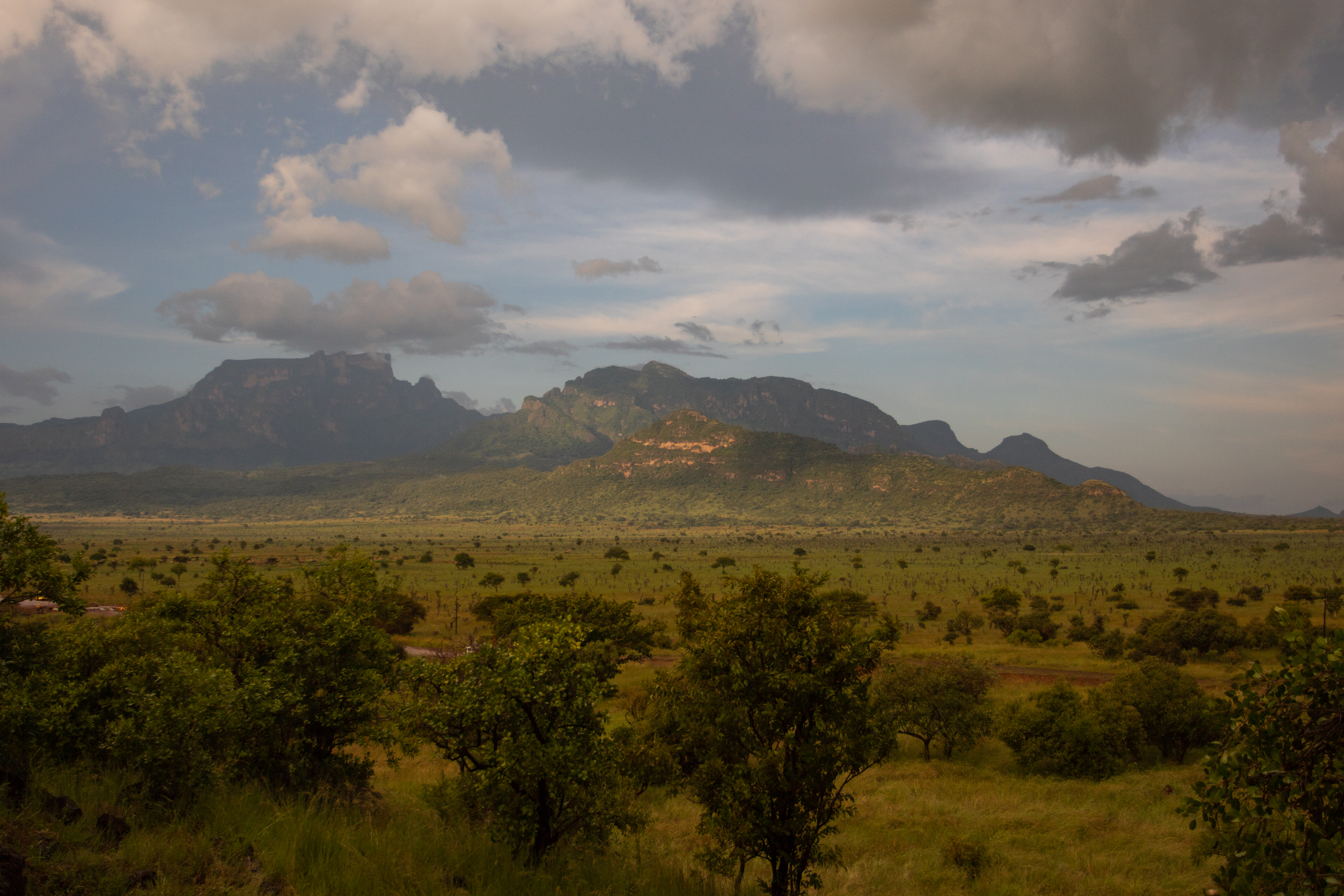
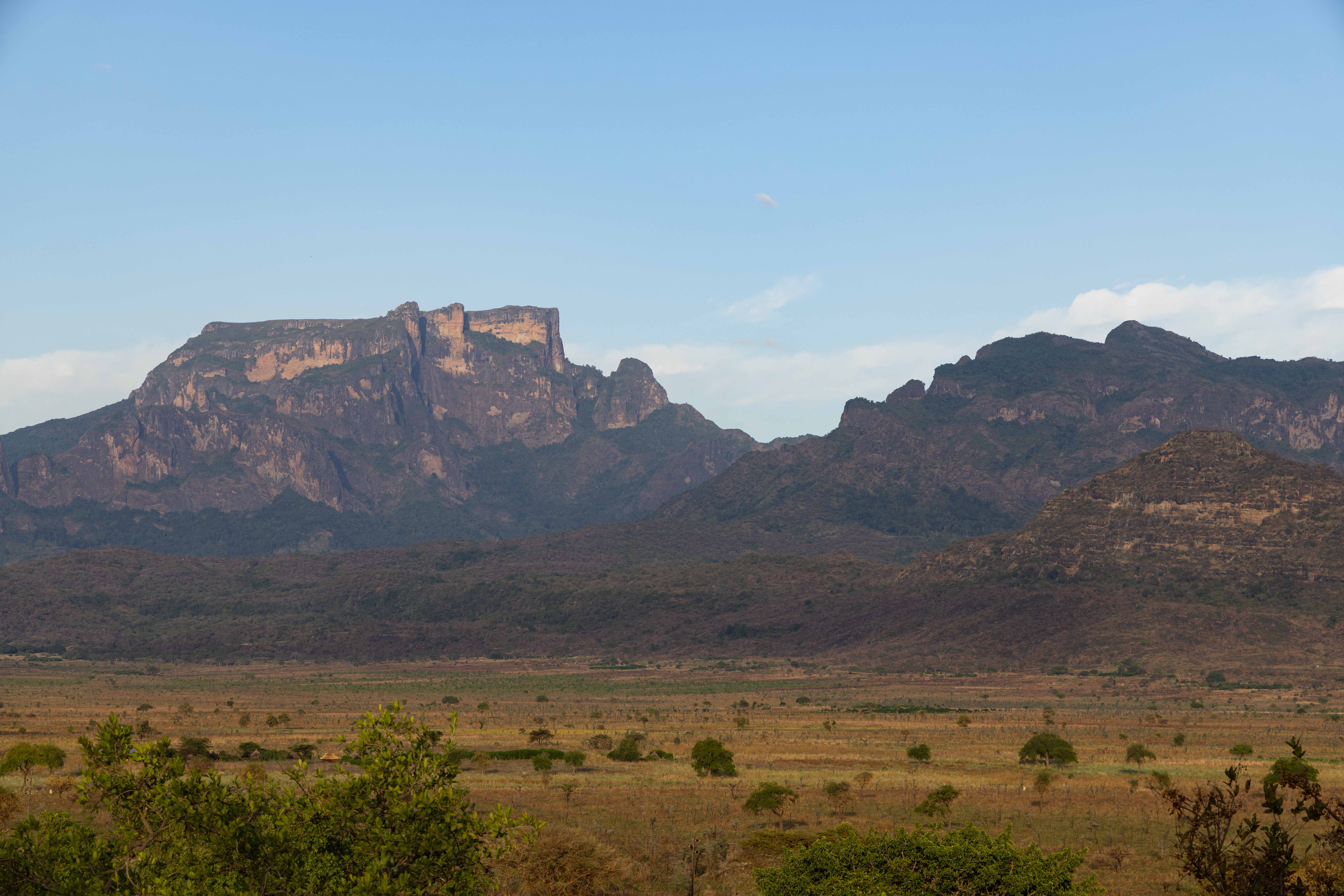
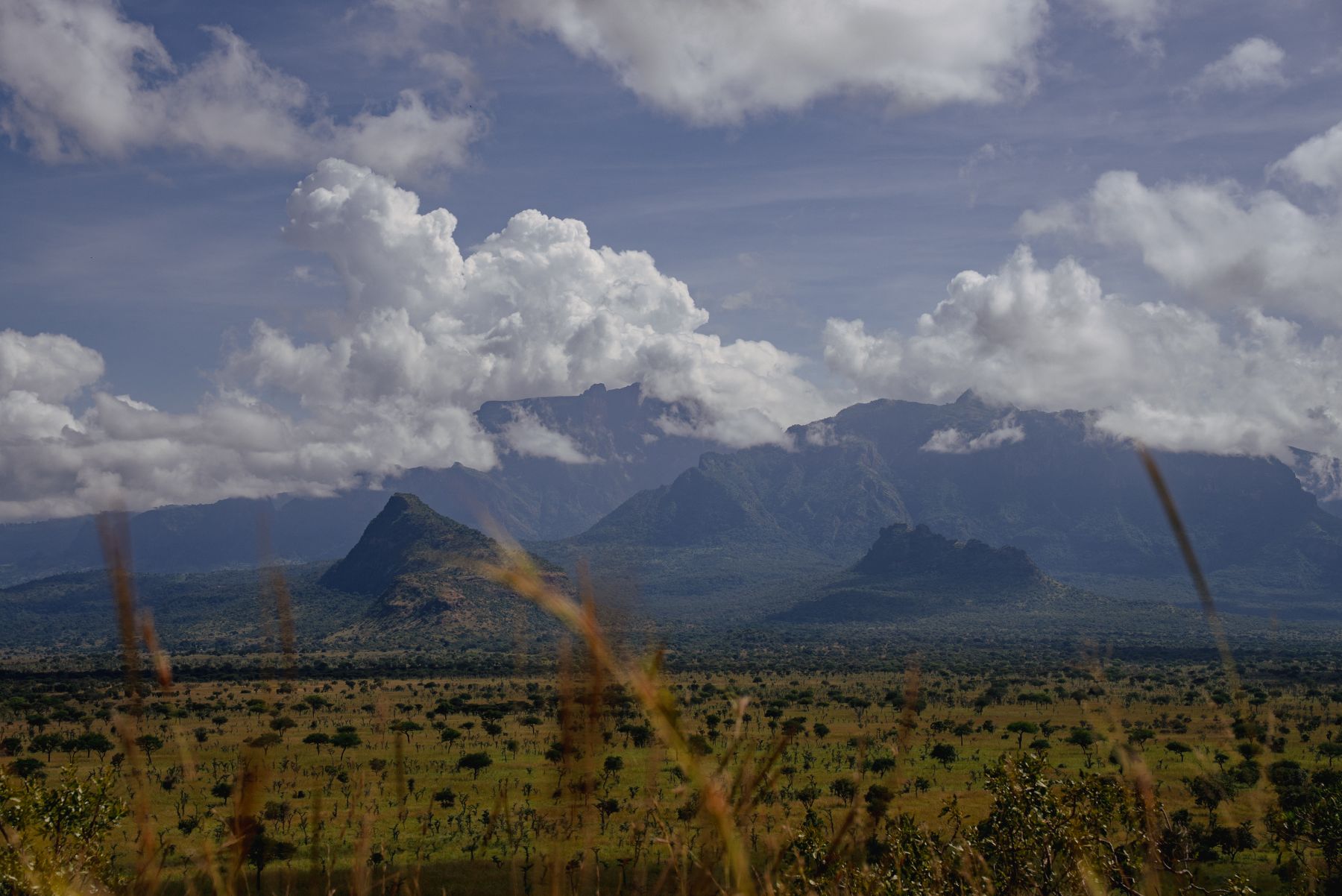
Mount Kadam rising over the Pian Upe savannah
Rangeland at scale
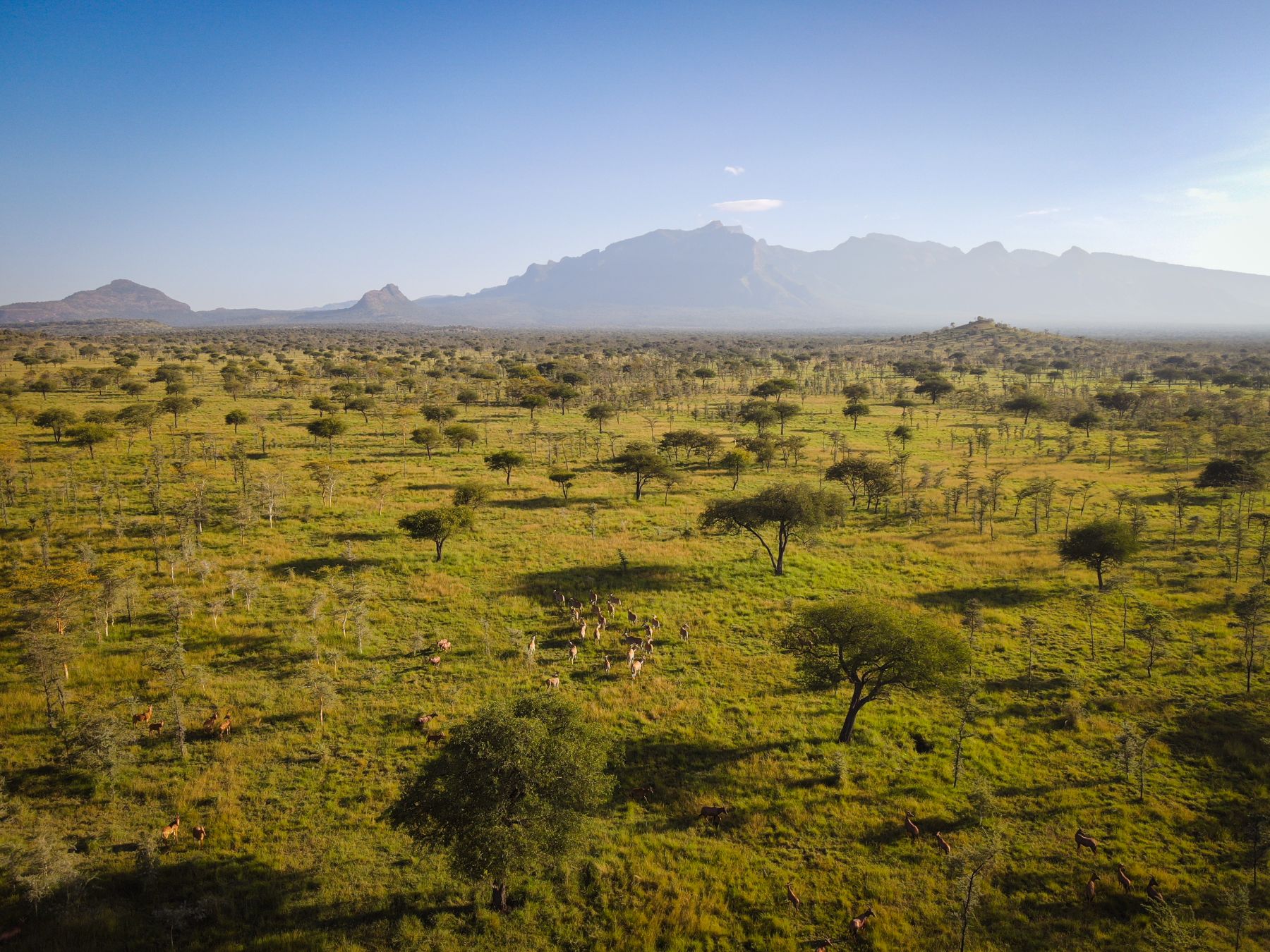
The savannah from the air
From the air
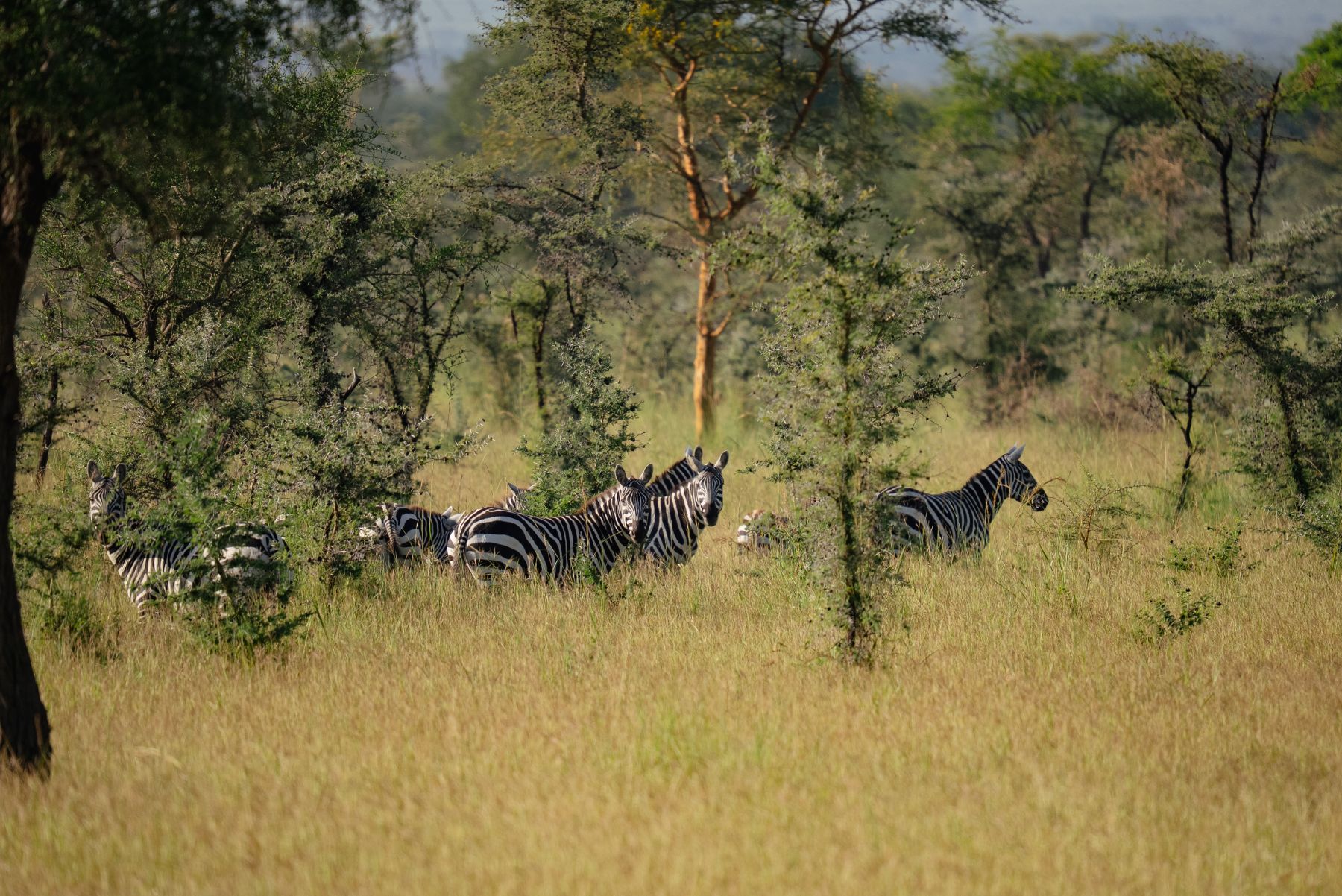
A herd of zebra on the Pian Upe plains
Wildlife viewing
The wetland corridor from above
Wetland corridor
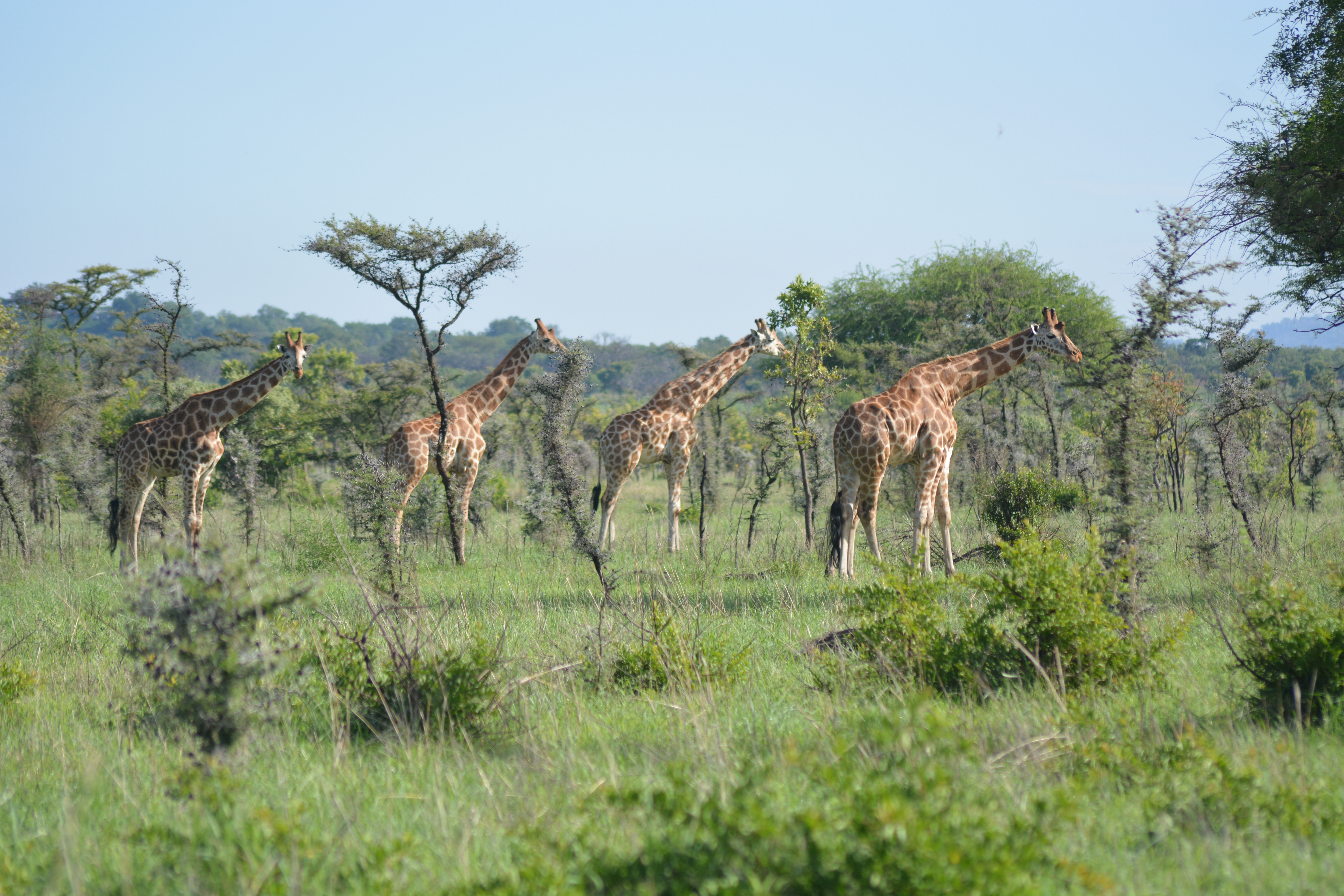
A herd of giraffe moving through the Pian Upe bush
What visitors come for
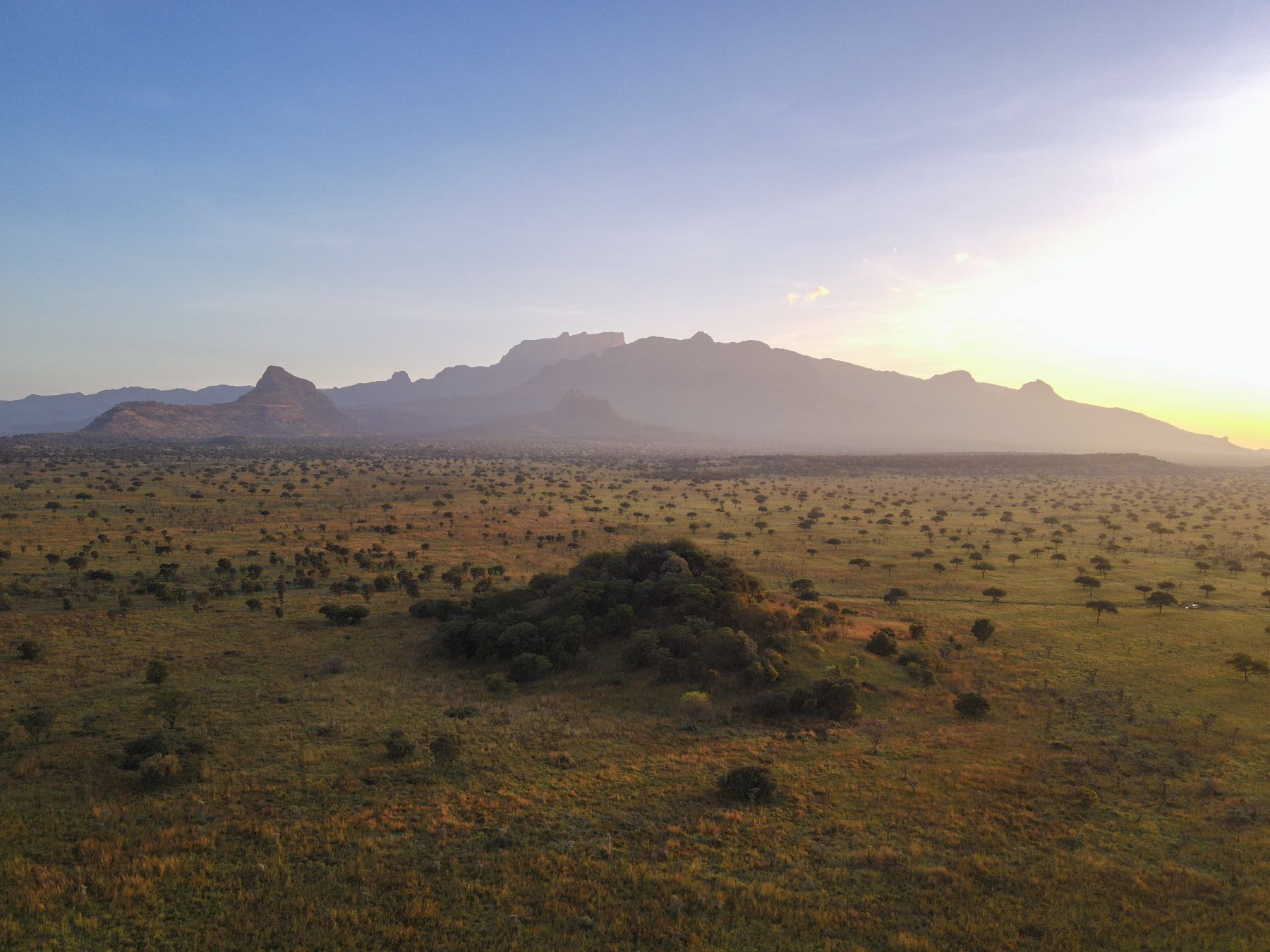
Mount Kadam over the open plains of Pian Upe
Under Kadam
Previous · Priority 02Protect Wildlife Next · Priority 04Empower Communities