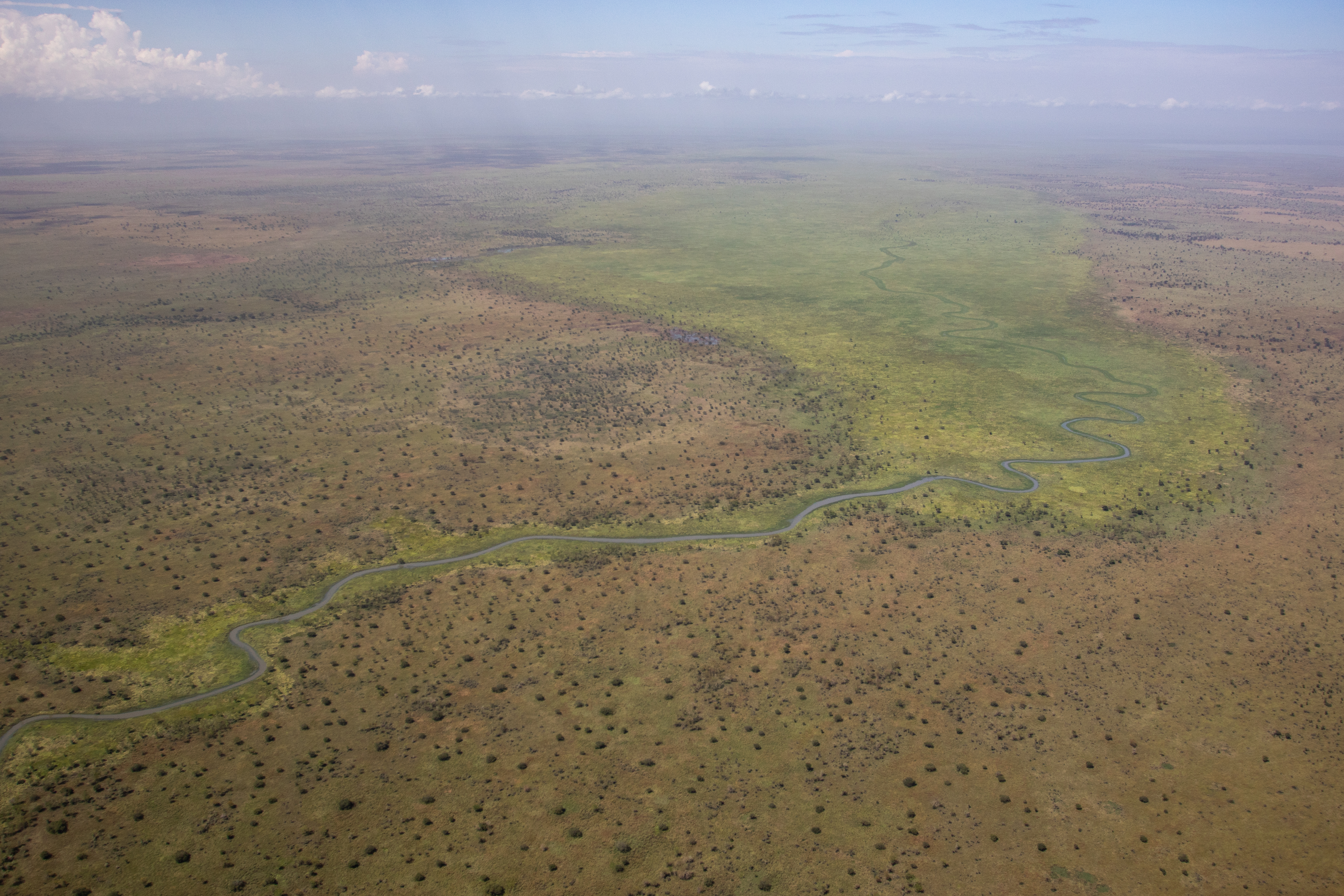
Long before Pian Upe was gazetted as a wildlife reserve, this landscape was known to naturalists and hunters as one of East Africa's great wildlife areas. Victorian-era hunting journals recorded extraordinary concentrations of buffalo, elephant, roan antelope, zebra, eland, and lion across the plains of what is now northeastern Uganda.
In 1960, the area was formally designated as the Debasian Animal Sanctuary, a protected designation that recognised both its ecological value and the need for some form of governance over the wildlife populations that remained.
In 1964, the sanctuary was upgraded and officially gazetted as Pian Upe Game Reserve, Uganda’s largest wildlife reserve. The name reflects the Pian people, one of the principal Karamojong clans whose ancestral lands overlap with the reserve, and the Pokot.
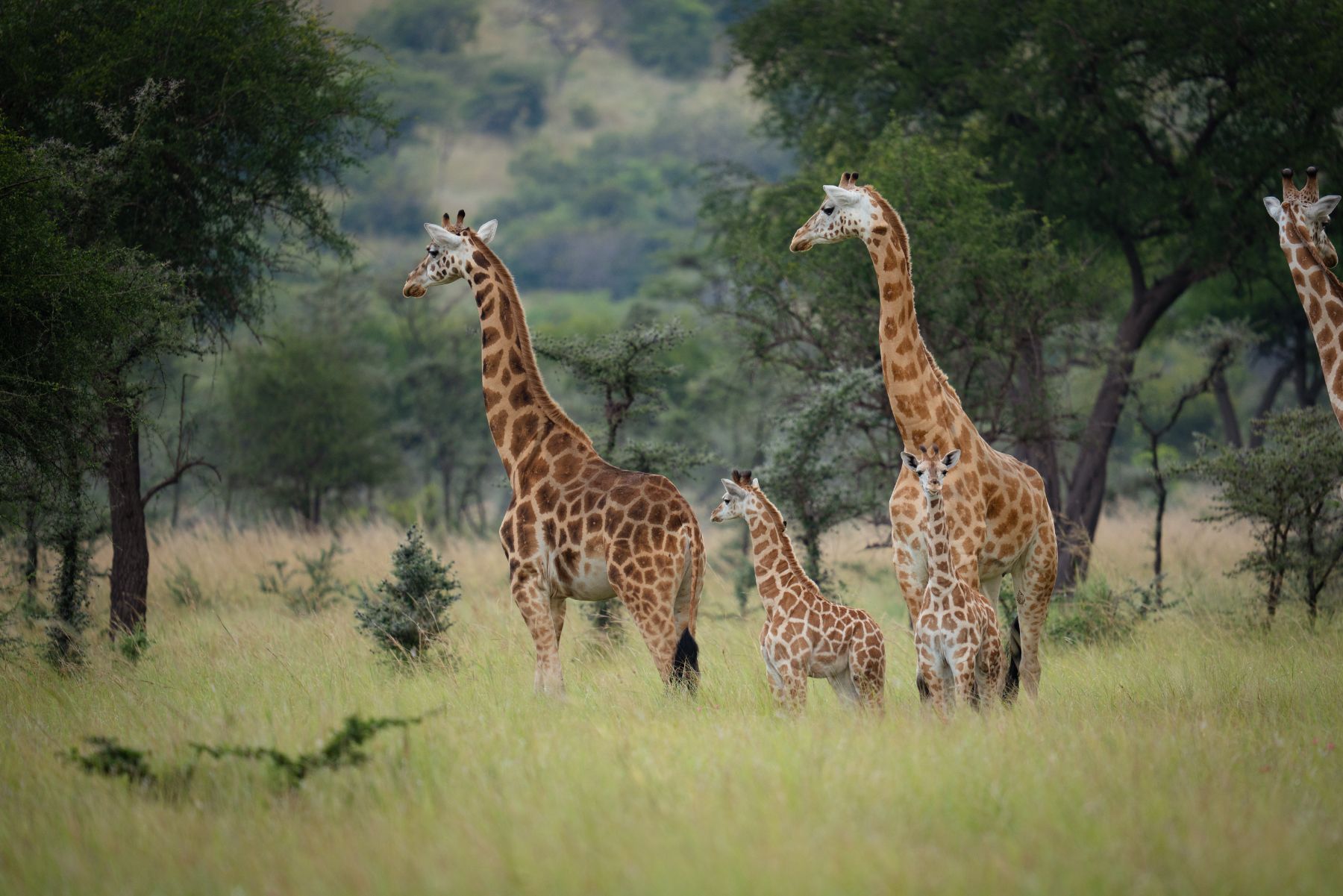
At gazettement, the reserve held substantial wildlife populations. Buffalo were present in the thousands. Elephants moved through seasonally. Roan antelope, now reduced to Uganda's only remaining population within this reserve, grazed the open grasslands. The landscape was intact, productive, and ecologically rich.
In 2008, a 20-year hunting concession agreement was signed with Karimojong Overland Safaris, a professional sport hunting operator. It brought private-sector investment and operational presence back to the reserve, and established a governance structure that distributed revenues to nine surrounding district governments.
KOS played a critical role, in support of the Uganda Wildlife Authority, in keeping Pian Upe intact during a period when, without any operational presence, encroachment and poaching could have erased whatever wildlife remained. Their presence, investment in basic infrastructure, and relationship with surrounding communities provided a foundation on which future conservation could be built.
Uganda's first co-management agreement
In 2021, Space for Giants began discussions with the Uganda Wildlife Authority about taking on a formal management mandate within Pian Upe, working alongside KOS but bringing dedicated conservation expertise, ecological monitoring, and sustainable finance development.
After approximately two years of negotiation and relationship building, working through the complexities of what co-management actually means in practice, the Uganda Wildlife Authority Board of Trustees approved Space for Giants’ involvement in 2022, and the formal co-management agreement was signed in August 2022 in Soroti: a structured, nationally endorsed partnership placing conservation at the centre of how the reserve is managed.
Transformation journey: 1960 to present
Designated as Debasian Animal Sanctuary
Gazetted as Pian Upe Game Reserve, Uganda's largest
Severe wildlife decline through conflict, weapons proliferation, and poaching
Establishment of the Uganda Wildlife Authority
20-year hunting concession signed with Karimojong Overland Safaris
Space for Giants begins engagement with the Uganda Wildlife Authority
Uganda's first co-management agreement signed in Soroti
Ecological, social and management baseline assessments conducted; 5-year business plan developed
Infrastructure improvements, vehicles purchased and increasing number of staff deployed
Carbon project development, aerial census, and community pilot projects launched
New 10-Year General Management Plan launched